What To Do If A Quokka Bites You?
Quokka bites on Rottnest Island are rare and almost always linked to offered food. Here is the first aid, where to get help, and the rules that keep you and the quokkas safe.
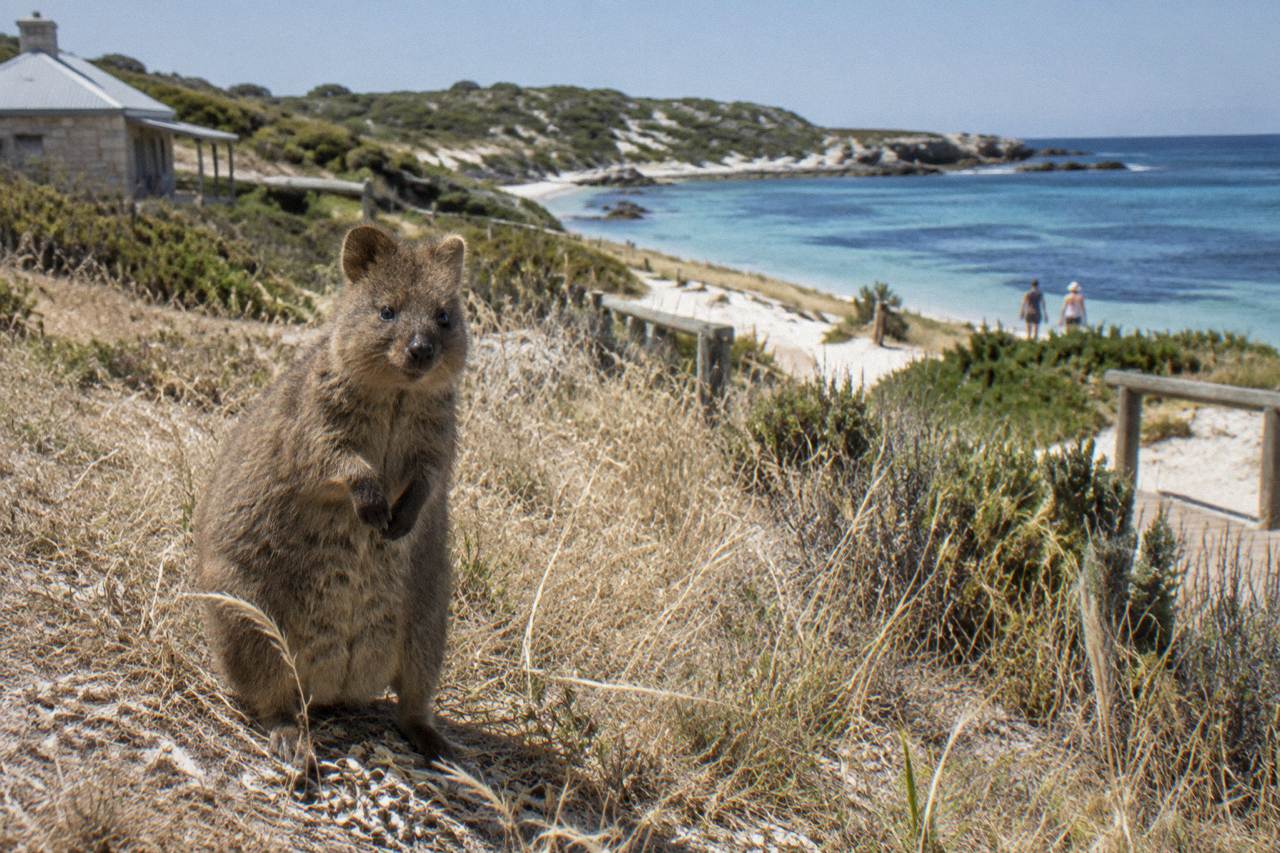
A quokka bite is the kind of thing nobody plans for. The animal has become one of the most photographed creatures on earth, and the dominant image is a small, smiling marsupial entirely uninterested in people. The official position from the Rottnest Island Authority is straightforward: quokkas are wild animals, touching and feeding them is prohibited, and deliberate interference can bring on-the-spot fines and prosecution with penalties up to A$10,000 under the Biodiversity Conservation Act 2016, while animal cruelty carries up to A$300,000 and five years imprisonment. Rottnest Tours covers every way of reaching and touring the island, and this article handles the narrow safety question few visitors think to ask until they are standing two metres from a quokka with a sandwich in hand.
The short version: bites are rare, they almost always involve food being offered, and the response is the same as any animal bite. Wash the wound, seek medical help, and know that the island has a Nursing Post at Thomson Bay, with 000 for emergencies. The longer version, including why the bites happen at all and how guided options like the private rickshaw tour and the segway tours keep a safe buffer, is below.
What To Do If A Quokka Bites You?
Wash the wound thoroughly with clean, running water and soap as soon as you can, cover it, and seek medical help. Rottnest Island has a Nursing Post in the Thomson Bay settlement, and 000 is the number for an emergency anywhere on the island. Even a small break in the skin deserves a professional look, because animal mouths carry bacteria, and quokkas are no exception.
That is the core answer, and it comes straight from the island's official practical guidance. Treat a quokka bite exactly as you would any other animal bite. Clean it, cover it, get it seen. Do not squeeze it, do not ignore it because the animal is small, and do not decide it is fine because it barely bled. Puncture wounds from any mammal can introduce infection, and a delay of a few hours is the difference between a quick clean and a course of antibiotics.
Where you get help depends on severity. For a minor graze or a nip that did not break skin, the Nursing Post at Thomson Bay is the first stop, sitting in the main settlement a few minutes' walk from where the ferries arrive. For a deeper bite, heavy bleeding, or any signs of an allergic reaction, call 000 immediately. The island is 19 km from Fremantle, and emergency evacuation is available when it is needed, so there is no reason to tough it out and wait for the ferry.
After the immediate response, there are two practical follow-ups. First, report the bite, ideally to island staff or the Visitor Centre, so there is a record if the wound needs documenting later. Second, be honest with medical staff about how it happened. If food was involved, say so. It changes nothing about your treatment, but it helps the people managing wildlife on the island understand where problem interactions are occurring. The Rottnest Island Authority's protect-our-wildlife guidance is built around exactly this pattern: bites cluster where people offer food, and feeding is what turns a shy marsupial into an animal that approaches hands.
Has A Quokka Ever Attacked A Human?
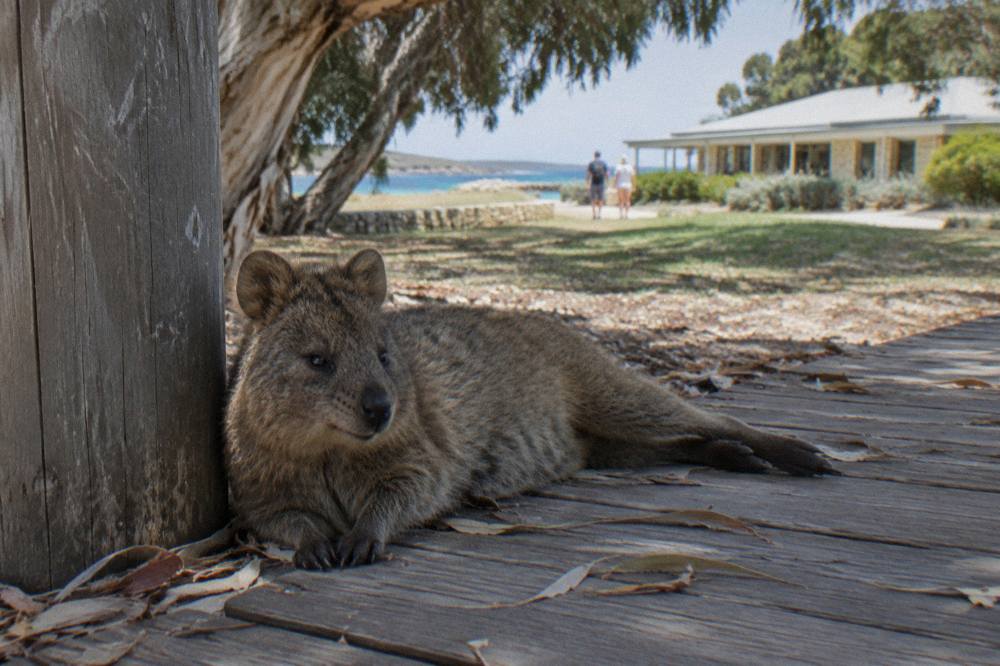
No fatal or serious quokka attack on a person has been recorded on Rottnest Island, and the species is not built for aggression toward humans. Documented bites are rare and typically minor, involving a nip during a feeding attempt rather than an unprovoked assault. No verified incident count exists, and this article will not invent one. What is verified is the mechanism: bites happen when people offer food. The simplest way to keep a safe distance while still getting close to these animals is a guided visit, and the best guided ways to see quokkas on Rottnest Island covers the options worth knowing about.
The distinction matters because the internet has drifted toward two opposite myths. One says quokkas are essentially teddy bears, harmless in every circumstance, which encourages people to crouch, hand out, sandwich first. The other says quokkas are dangerous, sometimes dragging in stories about the species' harsh survival biology on the mainland. Neither myth describes the animal on the island. The Rottnest population, the world's largest at an estimated 8,000 to 12,000 under the IUCN's November 2024 assessment, lives without predators, and its default behaviour around people is calm avoidance or, near the settlement, casual indifference. That calm indifference also shifts with the clock, so if you want to catch them at their most active, the guide to quokka activity hours on Rottnest explains when they actually come out.
A quokka that bites is almost always a quokka that has learned hands mean food. The animal approaches, the tourist holds out a snack, and when fingers and food are indistinguishable the teeth find the finger. It is not malice. It is a small, food-motivated marsupial with poor tools for telling a crust from a knuckle. That is why the island's rules, published by the Rottnest Island Authority, prohibit feeding and touching outright, backed by on-the-spot fines under the Rottnest Island Regulations 1988.
One more honest note: bites or scratches that do occur often go unreported, so any claim of an exact number of incidents per year would be invented. The official pages publish no such figure, and a site that prints one is guessing. What is safe to say is that the overwhelming majority of visitors never have a negative wildlife interaction, and that the pattern behind the exceptions is consistent.
Why Feeding A Quokka Causes Bites
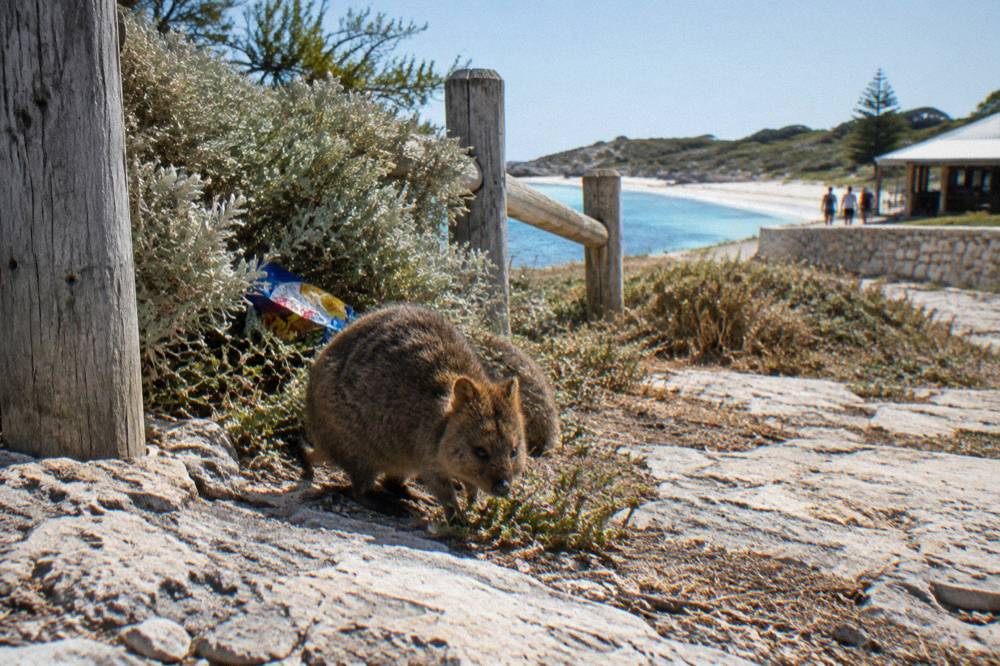
Feeding puts your hand exactly where a quokka's attention and teeth are focused, and it teaches the animal to associate people with food. The bite happens in the confusion of the moment, fingers beside food, not from aggression. It also causes real harm to the quokka, from illness to aggressive behaviour changes, which is why the island prohibits feeding entirely, and why the rule protects both sides of the interaction.
The mechanics are mundane. A quokka's diet is native vegetation, and its mouth is built for grazing, not precision. When a visitor holds out a chip or a piece of bread, the animal lunges at the food, and a nip lands on skin instead. Even a gentle animal misjudges. The island's official wildlife protection page states that touching can spread disease and cause mothers to abandon young, and that feeding causes illness or aggressive behaviour, so the practice is bad for the quokka long before it is risky for you. If you want the full picture on those no-touching rules and how to meet a quokka the legal way, the rules, fines and biology behind Rottnest Island's quokka protections covers it in detail.
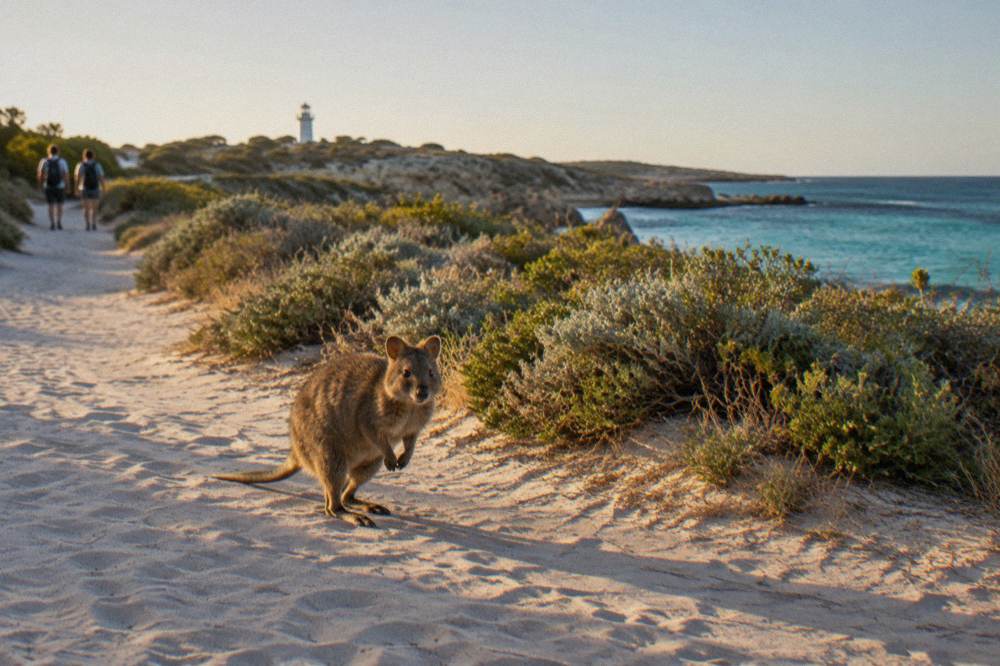
The habit also compounds. A quokka that is fed once changes its behaviour around the next hundred visitors, approaching more confidently, lingering at cafe tables, and eventually nipping at bags and hands. Rangers on the island deal with the consequences of the friendliest intentions. The photography angle deserves a mention here too, because the famous quokka selfie does not require contact at all: crouch down a couple of metres away, stay still, and let the animal's own curiosity frame the shot. The best quokka photos on the island are taken at arm's length plus a few steps, with no food involved.
| Rule or risk | What the official guidance says | The practical takeaway |
|---|---|---|
| Feeding quokkas | Prohibited; causes illness and aggressive behaviour; on-the-spot fines apply | Never offer food, including "just a bit" of your lunch |
| Touching quokkas | Prohibited; can spread disease and cause mothers to abandon young | Observe from a couple of metres; use a zoom, not a reach |
| If bitten | Wash the wound and seek medical help | Nursing Post at Thomson Bay, or 000 in an emergency |
| Reporting | Report sick or dead birds to 1800 675 888 | Applies to wildlife health generally, not just bites |
Where To Get Medical Help On Rottnest Island
The island has a Nursing Post in the Thomson Bay settlement, and 000 is the emergency number for anything serious, anywhere on the island. For a bite that breaks skin, cleaning it immediately and then getting it assessed at the Nursing Post is the correct sequence. For deeper wounds, heavy bleeding or signs of infection developing later, treat it as a medical matter, not a souvenir story.
Distances help frame this. Rottnest is 11 km long by 4.5 km wide, and much of it is reachable only by foot, bike or the Island Explorer bus, which runs about every 15 minutes between roughly 8:45 am and 3 pm. If you are bitten at West End or little Salmon Bay, getting back to Thomson Bay takes real time: on a bike the full island loop is a 3 to 5 hour ride at a relaxed pace, so from the far side you are an hour or more from the settlement. That is the strongest argument for carrying water, riding with a companion, and cleaning any wound at the nearest tap or with your own bottle before travelling.
Visitors joining island-based activities are generally within easier reach of help. The segway tours, for example, the 1-Hour Settlement Tour from A$98 and the 1.5-hour Fortress Adventure from A$139, both operate with a guide and start from the settlement area, so a guide is on hand for incidents of any kind. The same applies to the snorkel and sail catamaran trips and the guided snorkel boat experience, which both carry crew. Solo cyclists at the remote west end have the longest self-reliance window, which is worth thinking about before you set off.
One thing not to do: do not wait until you are back on the ferry to deal with a bite. The crossing alone is about 25 minutes from Fremantle, and the ferry staff are not a clinic. Clean it, cover it, and get to the Nursing Post while the wound is fresh.
What About Dugites And Other Wildlife Risks?
Rottnest Island is home to venomous dugite snakes, and the official guidance is unambiguous: seek medical help immediately if bitten. Unlike quokkas, a dugite bite is a genuine emergency, so call 000, keep the bitten limb still and low, and wait for help rather than walking. Sick or dead birds should be reported to the Emergency Animal Disease Hotline on 1800 675 888, not handled.
The dugite shares the same official practical tips page as the quokka rules, and the contrast in severity is the point. A quokka nip is a clean-and-check event. A snake bite is a call-000-still event. Dugites are timid and avoid people, but they are present across the island, so watch where you step in long grass and never attempt to move or photograph a snake at close range.
Blue bottle jellyfish can also be present in the water and washed up on beaches, with painful but not life-threatening stings that should not be touched. And the island's beaches are not patrolled by lifeguards, so swimming with a friend and checking conditions applies every time. Long-nosed fur seals haul out at Cathedral Rocks, where there is a purpose-built viewing platform, and swimming with them is not permitted.
| Wildlife | Risk to people | Official response |
|---|---|---|
| Quokka | Rare nip, usually food-related; infection risk if skin breaks | Wash, seek medical help; Nursing Post or 000 |
| Dugite snake | Venomous bite, a medical emergency | Seek medical help immediately; call 000, keep still |
| Blue bottle jellyfish | Painful sting, not life-threatening | Do not touch; rinse and manage pain |
| Seals at Cathedral Rocks | Bites if approached in water | View from the platform; swimming with seals not permitted |
| Sick or dead birds | Potential disease | Report to 1800 675 888; do not handle |
For travellers whose idea of island wildlife is more adrenaline-adjacent, the tandem skydive guide covers the island's biggest thrill, with the jump itself from A$499 Check availability, and the snorkelling guide to the island sits at the other end of the intensity scale. Both operate with professional crews, and both keep you within reach of help if something goes wrong. The wildlife risk that actually injures visitors on this island is not the quokka. It is the sun, the heat and unpatrolled water.
How Do Guided Tours Keep A Safe Distance?
Guided wildlife experiences put a trained person between you and the animal, and that changes the interaction entirely. A guide knows the rules, knows the distances, and steers the group away from the food-offering behaviour that causes bites. On this roster the private rickshaw tour, the segway tours and the ferry and bus tour all include wildlife viewing without contact, which is the pattern the island itself recommends.
The Private Rottnest Island Rickshaw Tour is the clearest example. At A$145 per group for three adults or a family of four, it runs an 18 km island loop in an electric rickshaw with a private guide, an audio commentary and wildlife encounters on the route. The guide controls the pace and the stops, and quokkas are encountered from the vehicle rather than from a crouch with a sandwich. It carries a 5.0 rating from a small pool of 15 reviews, which is worth reading as exactly that: a small pool.
The segway options work the same way. The 1-Hour Settlement Tour from A$98, rated 4.7 from 62 reviews, stays around the Thomson Bay settlement where quokkas are most used to people, and the Fortress Adventure Segway Tour from A$139, rated 4.8 from 117 reviews, heads out toward the island's military heritage at Oliver Hill. Both include rider training, safety equipment and a guide with radio communication, so the group moves together and nobody is freelancing a quokka encounter in the scrub.
Travellers arriving without a plan can also fold wildlife into transport. The ferry and bus tour from A$149, rated 4.6 from 1,512 reviews, pairs the return ferry with a 1 hour 45 minute commentary bus tour of the island, and the ferry and bike packages from A$124 to A$175 put you on your own schedule, where the self-discipline rules matter more. On a self-guided day the responsibility for distance is entirely yours; on a guided day, most of it is handled. The free daily walks run by the Rottnest Voluntary Guides Association, including Meet the Quokkas departing from the Salt Store, are another structured way to see the animals with someone who knows them well.
The Real Prevention Is Behaviour, Not Fear
Almost every quokka bite on Rottnest Island traces back to a human decision, usually offering food, sometimes cornering an animal for a photo. The prevention list is short and boring: never feed, never touch, keep a couple of metres of distance, and store food securely. The quokka is not the risk. The risk is the gap between how tame it looks and how wild it is, and that gap is closed with behaviour.
Food discipline deserves the most emphasis. Eating at a cafe table or a picnic spot near the settlement puts you in quokka territory, and bags left open are invitations. The island's General Stores, open seven days in Thomson Bay and Geordie Bay, and the famous bakery queue are all places where quokkas and food share space daily. Keeping snacks zipped away and refusing to share, even when the animal is standing hopefully at your feet, is the single highest-value habit you can bring to the island.
Timing shapes encounters too. Quokkas are mainly nocturnal, most active early morning and late afternoon, and cooler months raise their daytime activity, which is why the island's winter wildlife experiences are a genuine draw. In the heat of a summer afternoon the animals shelter, which is why a midday visitor sometimes sees nothing and a 4 pm visitor on the same path sees five. Spring brings joeys taking their first hops out of the pouch in September, and that cuteness spike is exactly when the feeding temptation peaks. If you are planning around it, the question of the best time to visit Rottnest Island and the deeper background in the guide to quokkas on Rottnest Island cover the seasonal patterns in detail.
The final word on attitude: the quokka is a protected native animal on a Class A Reserve, not a park mascot. The island's whole management approach, from the fines to the signage to the volunteer guides, exists to keep 8,000 to 12,000 wild animals wild while several hundred thousand people a year share their home. A bite is rare, treatable and almost always preventable, which is genuinely good news, because the alternative headline, people bitten routinely, would mean the system was failing. It is not.
Common Questions About Quokka Bites On Rottnest Island
What To Do If A Quokka Bites You?
Wash the wound thoroughly with clean water and soap, cover it, and seek medical help. The island has a Nursing Post at Thomson Bay, and 000 is the number for an emergency. Report the incident to island staff so there is a record, and tell medical staff honestly whether food was involved.
Has A Quokka Ever Attacked A Human?
No serious or fatal attack on a person is on record on Rottnest Island, and bites that do occur are rare, minor and almost always linked to someone offering food. There is no verified incident count, so treat any specific number you read elsewhere as invented.
Can You Get Sick From A Quokka Bite?
Any animal bite that breaks skin carries infection risk, and a quokka bite is no exception. Clean it immediately and have it assessed at the Nursing Post. Signs of infection developing later, such as redness, swelling or heat around the wound, mean it needs medical review.
Why Is It Illegal To Feed Quokkas?
Feeding causes illness and aggressive behaviour in quokkas and teaches them to approach hands, which is exactly how bites happen. It attracts on-the-spot fines under the Rottnest Island Regulations 1988 and can be prosecuted under the Biodiversity Conservation Act 2016 with fines up to A$10,000.
What Should You Do If You See A Dugite Snake?
Give it space and walk away. Dugites are venomous, timid and present on the island, and a bite is a medical emergency: call 000, keep the bitten limb still and low, and wait for help. Never try to move, catch or closely photograph a snake.
What Is The Safest Way To See Quokkas?
From a couple of metres away, with no food involved. Guided options such as the private rickshaw tour and the segway tours keep wildlife encounters at a safe distance, and the free daily Meet the Quokkas walk run by the island's voluntary guides is another structured way to see them.