What Is The Best Time To See Quokkas?
Quokkas are mainly nocturnal, most active early morning and late afternoon, and easier to spot in the cooler months. Here is how to time a Rottnest Island day around them.
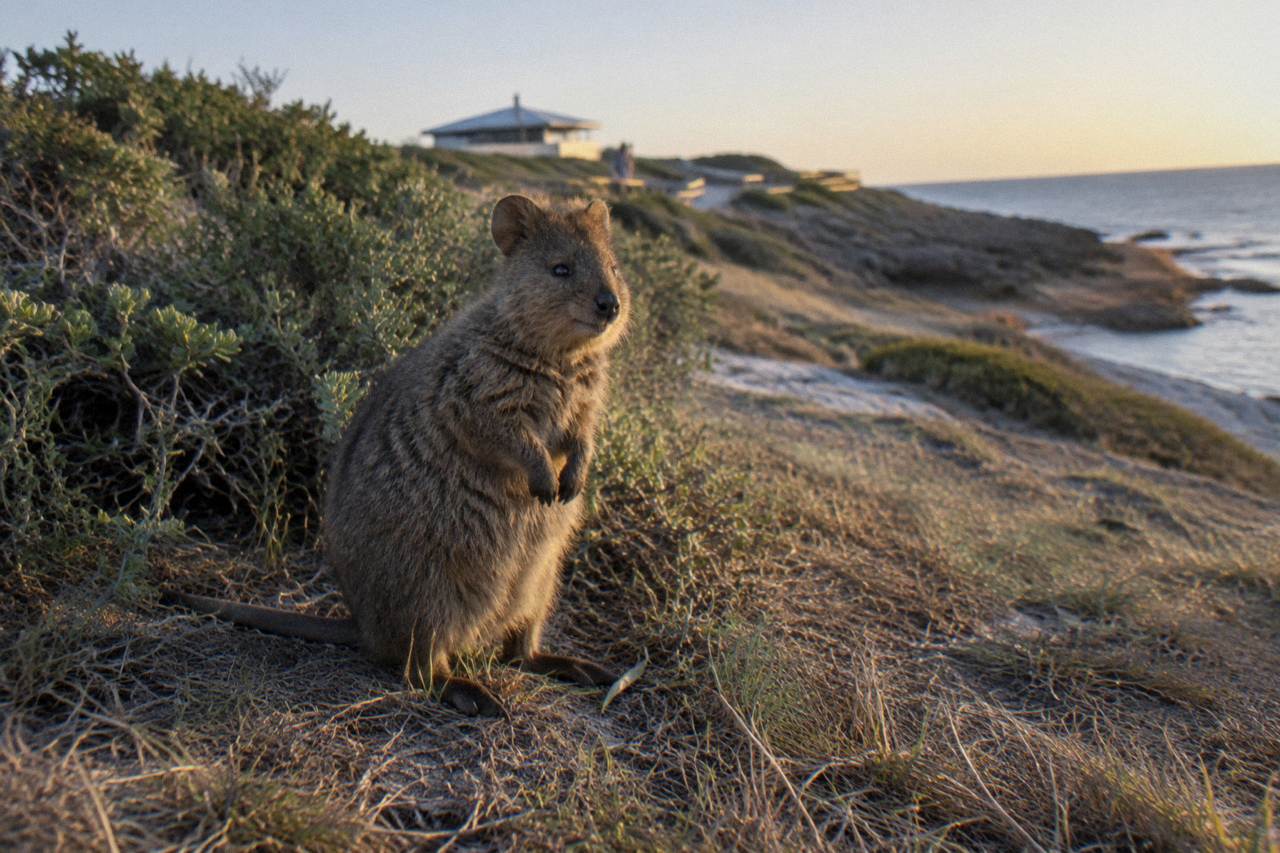
The best time to see quokkas is early morning or late afternoon, because quokkas are mainly nocturnal and rest through the hottest, brightest part of the day. The best months are the cooler ones, from about May to September, when daytime activity rises. Joeys poke their heads out of pouches in August and take their first hops in September.
That is the short answer, and it is drawn straight from the Rottnest Island Authority's own wildlife guidance rather than from tour marketing. The official quokka page describes the animals as mainly nocturnal and most active early in the morning and late in the afternoon, and notes that cooler months lift their daytime movement. Everything else on this page, from ferry timing to tour choice, follows from that one fact.
The practical problem for most visitors is that the standard Rottnest day trip compresses the island into roughly the middle of the day. You arrive mid to late morning, you ride a bike or catch a bus around lunchtime, and you leave mid to late afternoon. That window is close to the worst possible slice of the quokka clock. It can still work, quokkas in the settlement are habituated to people and do move about at midday, but the odds tilt sharply toward you if you shift your timing even an hour earlier or later.
This page works through the timing question properly: the hours, the months, the places, the joey season, why a midday ferry day works against you, and which guided options put you in front of quokkas at the right hour. The rottnest-island-day-trip guide covers the broader day-plan mechanics if you are still shaping the whole visit.
Where Is The Best Place To See Quokkas?
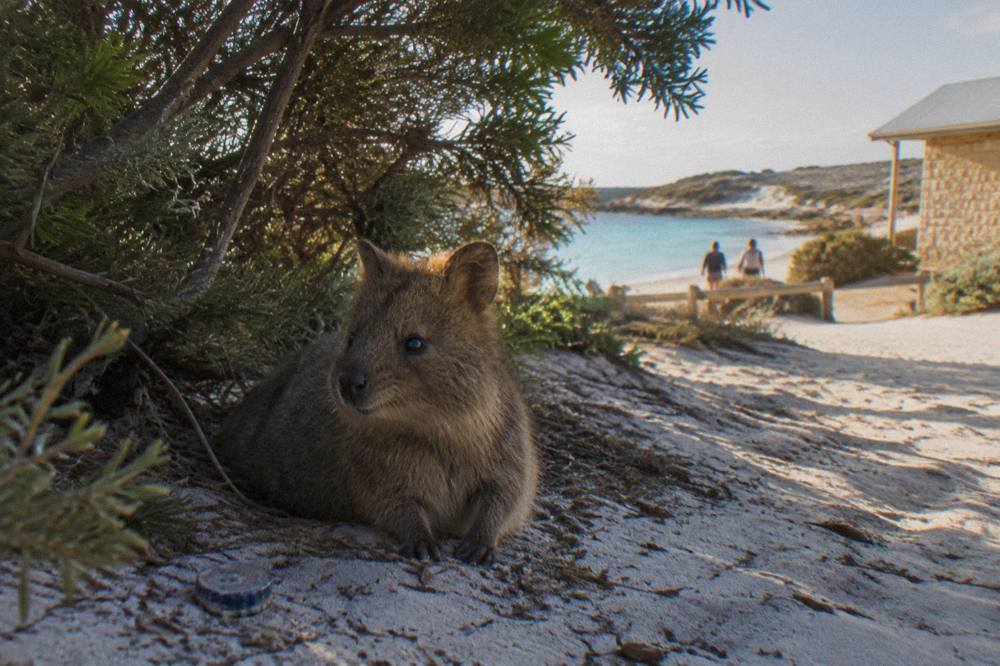
The best place to see quokkas is the Thomson Bay settlement itself, where shelter, water and lawns concentrate a habituated population. Beyond the settlement, the bays and shaded paths of Geordie Bay, Longreach Bay and the west end hold wilder quokkas. The settlement is where a midday sighting is still realistic, because those animals tolerate people.
Almost every first quokka encounter happens within a five minute walk of the ferry jetty. Quokkas shelter under the settlement's gardens, the tea tree scrub near the Visitor Centre and the shaded edges of the lawns, and they emerge to feed when the light drops. Visitors heading straight off the ferry toward a bike loop often walk past a dozen quokkas without noticing them, because the animals sit still in shade close to the path.
Outside the settlement the pattern changes. The island supports what the Authority calls the world's largest quokka population, with an IUCN assessment of 8,000 to 12,000 animals, but they are spread across 19 square kilometres of scrub. The IUCN Red List assessment is a population estimate rather than a headcount, and it does not mean quokkas line every trail. On the far bays you need the right hours more than you need the right map.
A private option built around exactly this problem is the private rickshaw quokka tour, an 18km guided loop in an electric rickshaw with a driver who knows the gathering spots, from A$145 per group for three adults or a family of four, with free cancellation. It carries a 5.0 rating from a small pool of 15 reviews.
What Time Of Day Are Quokkas Most Active?
Quokkas are most active in the first and last couple of hours of daylight. Being mainly nocturnal, they feed at dusk, through the night and again at dawn, then retreat to shade through the middle of the day. On a practical island clock, that means before about 9 am and after about 4 pm, with dawn the stronger of the two.
The early ferry matters more than people expect. Rottnest Fast Ferries crosses from Hillarys in about 45 minutes and SeaLink and Rottnest Express cross from Fremantle in about 25 to 30 minutes, and the first arrivals of the day step off the jetty into the tail end of the morning feed. On the ferry-from-fremantle-to-rottnest run, being on the first sailing of the day is worth more than any other single decision you can make about quokka timing.
Late afternoon is the second window, and it is easier to hit if you are staying overnight, since the last return ferries leave after the light has already started softening. Day-trippers can still catch the edges of it by staying near the settlement for the last hour rather than starting a long ride back from the west end at 3 pm.
Between the two windows there is a real dead zone, and pretending otherwise wastes your day. From late morning to mid afternoon the settlement quokkas doze in visible shade and the bush animals are effectively invisible. That is the right stretch for lunch, for a swim at The Basin, for the snorkel trails at Parker Point or for a long loop ride, none of which depends on wildlife being awake. Plan the day so the dead zone is spent on the water and the edges are spent with the quokkas.
| Time of day | Quokka activity | What it means for you |
|---|---|---|
| Dawn to about 9 am | Feeding after the night, most active | Best window, especially on the first ferry |
| Mid morning to early afternoon | Resting in shade, mostly out of sight | Settlement sightings only, patience needed |
| Mid afternoon, 3 to 4 pm | Beginning to stir in cooler months | Sit near water and lawns and wait |
| Late afternoon to dusk | Second feed, activity rising fast | Second best window, easy for overnighters |
| After dark | Fully active | Not practical, and torches disturb them |
Which Months Are Best For Quokka Spotting?
The cooler months, roughly May through September, are best, because quokkas reduce their daytime activity in heat and move more when it is mild. Winter also brings rain and green growth, which shortens the distance animals travel for food. Summer sightings still happen in the settlement, but you work harder for them.
The Authority's seasonal wildlife guidance makes the point directly: cooler months raise daytime activity, which is the opposite of the general tourist instinct to visit in peak summer. A winter weekday on Rottnest is quiet, green and comparatively full of quokkas moving at hours you can actually be awake for. A February beach day is glorious for swimming and thin for quokka sightings outside dawn and dusk.
Rain is not a reason to stay away. The Bureau of Meteorology's Rottnest Island station records mean rainfall above 100mm in both June and July, but that falls across roughly 11 to 15 rain days a month, and showers pass quickly. Cloud cover in winter is a quiet advantage: it dims the midday light and pulls activity earlier into the day.
Shoulder seasons deserve more credit than they get. April and May combine falling temperatures with falling crowd numbers, and the animals respond to the first sustained cool by lengthening their daylight hours. October and November stay productive too, with joeys newly independent and the spring growth still holding. If you want the single best fortnight, aim at late August into mid September: joey season at its peak, mild days, high daytime activity and tour schedules back to full spring operation.
| Season | Quokka activity | Other factors |
|---|---|---|
| Summer, Dec to Feb | Lowest daytime activity, heat drives animals into deep shade | Best beach weather, biggest crowds, book the first ferry |
| Autumn, Mar to May | Activity rising as heat eases | Mild, quiet, good all-round months |
| Winter, Jun to Aug | Highest daytime activity, green feed everywhere | Coolest and wettest, joeys appearing from August |
| Spring, Sep to Nov | Good activity, joeys taking first hops in September | Wildflowers, warming days, seasonal tour reopenings |
When Can You See Quokka Joeys?
Quokka joeys first become visible in August, when they poke their heads out of their mothers' pouches, and September is when they take their first hops. Birth happens in late summer and the young stay in the pouch for months, so late winter into early spring is the joey window. August and September deliver the season's most photographed sightings.
The timing is fixed by the species' breeding cycle rather than by visitor demand, which is why it cannot be promoted into other months. A joey at the pouch mouth in August is a dependent young, and the mothers carrying them are the animals most worth photographing calmly and from a distance. The rules matter most in these months: do not touch or feed quokkas, ever, with on-the-spot fines and prosecution possible under the Biodiversity Conservation Act 2016 carrying penalties up to A$10,000, and animal cruelty penalties up to A$300,000 and five years imprisonment. The protect our wildlife page sets this out plainly.
Photographing joeys well takes patience rather than proximity. A phone camera at a respectful distance, sitting still on a lawn edge in the settlement in the late afternoon, produces better images than approaching a pouch-carrying mother. Quokkas that feel cornered will move off and you lose the shot entirely, and chasing an animal for a frame is exactly the interference the regulations prohibit. The famous quokka selfies work on the same principle: crouch, stay quiet, let the animal choose the distance.
If joey photos are the goal, plan around September: the weather is mild, daytime activity is still high, the first hops are happening, and the seasonal marine tours are reopening for spring. The whats-the-best-time-to-visit-rottnest-island post works through the whole-island version of that trade-off.
Why Does A Midday Ferry Day Work Against You?
A midday ferry day works against you because it puts your exploring hours exactly over the quokkas' rest period. Arriving late morning and leaving mid afternoon means your active hours and theirs barely overlap, and the only sightings you get are habituated settlement animals dozing in shade. The fix is to book the first ferry in and a late ferry out.
The arithmetic is unforgiving. If you land at 10:30 am and board the return at 3:30 pm, you have five island hours of which perhaps four are useful, and all four sit inside the quokkas' quietest stretch. The full-day packages help here simply by being long: the Hillarys ferry and bike day from Rottnest Fast Ferries runs a full day from A$124 per person with bike hire and admission included, and the same-day format means the last hour of your visit, from mid afternoon onward, overlaps the animals' second wind.
The same logic favours the bus-and-ferry products for quokka-focused visitors who do not want to ride. The SeaLink ferry and bus tour, from A$149 per person with a 105 minute guided commentary loop and admission, spends its island hours efficiently and returns you to the settlement with late afternoon still in front of you. Check availability on the live listing if that shape suits your group.
There is a second, subtler cost to a late start: the first ferry of the day lands you in a settlement that is still quiet. By mid morning the jetty area is busy, bikes are streaming out of the hire racks and the settlement lawns carry a steady flow of people. Quokkas in the gardens do not disappear, but they tuck deeper into shade. The early arrivals walk through a calmer, more open version of the same space, and the animals respond to it.
Which Tours Put You There At The Right Hour?
The tours that work best for quokkas are the short, island-based ones you can slot into early morning or late afternoon: the private rickshaw loop, the segway tours around the settlement and Oliver Hill, and the Voluntary Guides' free Meet the Quokkas walks. Ferry-bundle packages get you there; these decide what you do in the good hours.
The free option first, because it is the best value on the island. The Rottnest Voluntary Guides Association runs free daily walks from the Salt Store next to the Information Booth, and the one that matters here is called Meet the Quokkas, departing around 9:15 am and again around 2 pm, subject to weather and guide availability. A 2 pm walk lands close enough to the afternoon stir to work, and the guides know precisely where the animals are that day. No booking is taken; you simply turn up.
Among paid options, the segway products fit the quokka clock unusually well. The one hour Settlement segway tour, from A$98 per person with a 4.7 rating from 62 reviews, loops the settlement and its shaded edges, which is where the habituated quokkas live, and its short length means you can take the first session of the day and still have the whole morning ahead of you. The 90 minute Fortress Adventure segway tour, from A$139 per person with a 4.8 rating from 117 reviews, ranges wider toward the military heritage sites. Both include rider training, radios for the guide's commentary and all safety equipment, and both carry free cancellation.
The rickshaw product, covered earlier, is the strongest of all for families with small children or anyone who cannot ride a bike or segway, since the guide drives and the loop is planned around wildlife encounters. For a fuller comparison of every guided format on the island, the rottnest-island-quokka-tours guide breaks them down side by side.
One booking note ties the tour question back to the timing question: peak periods change the arithmetic. The Authority warns that ferries and popular island tours often book out during school holidays, and WA school holidays run 17 December 2026 to 31 January 2027, 10 to 25 April 2027 and 3 to 18 July 2027. In those windows the first ferry and the first segway session of the day sell first, which is precisely the inventory a quokka-focused visitor wants. Book ahead rather than arriving and hoping.
Do You Have To Wake Before Dawn?
No, you do not have to wake before dawn, because the late afternoon window is nearly as productive and much easier to reach. Dawn is the single best hour, but a 2 pm guided walk or a 4 pm hour on the settlement lawns delivers a similar rate of sightings. Overnight visitors get both windows without any effort at all.
The honest ranking is: dawn beats dusk, dusk beats mid morning, and everything beats a rushed midday dash. But the marginal gain from dawn shrinks once you price in a pre-dawn ferry trip or a very early start from Perth. For most travellers the smart compromise is the first reasonable ferry of the day plus a deliberate late afternoon hour near the settlement, with the middle of the day given over to the rottnest-island-snorkelling or a bike loop rather than to quokka hunting.
Staying overnight transforms the question entirely. On the island you simply walk outside at dusk. The is-it-worth-staying-overnight-at-rottnest-island post weighs the cost, and for quokka-focused visitors the answer leans yes, because you capture both daily windows while day-trippers capture neither one well. Whichever you choose, this site, Rottnest Tours, exists to make that timing decision easier.
One habit to avoid in the quiet hours: torches and flash photography at night disturb nocturnal animals, and drones are not permitted for recreational use anywhere on the island. The good photos come from patience in daylight edges, not from technology in the dark.
Does Season Change Where You Should Look?
Yes, season changes where you should look. In summer, quokkas pull back to deep shade near water and the settlement lawns, so stay central. In the cooler months they spread out along the shaded paths of the bays, and the west end and Geordie Bay become productive in the morning and afternoon windows.
In practical terms, summer visitors should not leave the settlement at all during the middle hours: the shaded gardens near the Visitor Centre, the lawns by the barracks and the scrub edges of Thomson Bay hold the animals that tolerate midday people. Winter and spring visitors get to be more ambitious, because animals feeding in daylight range across the island's 22km of cycle paths and 45km of walking trails.
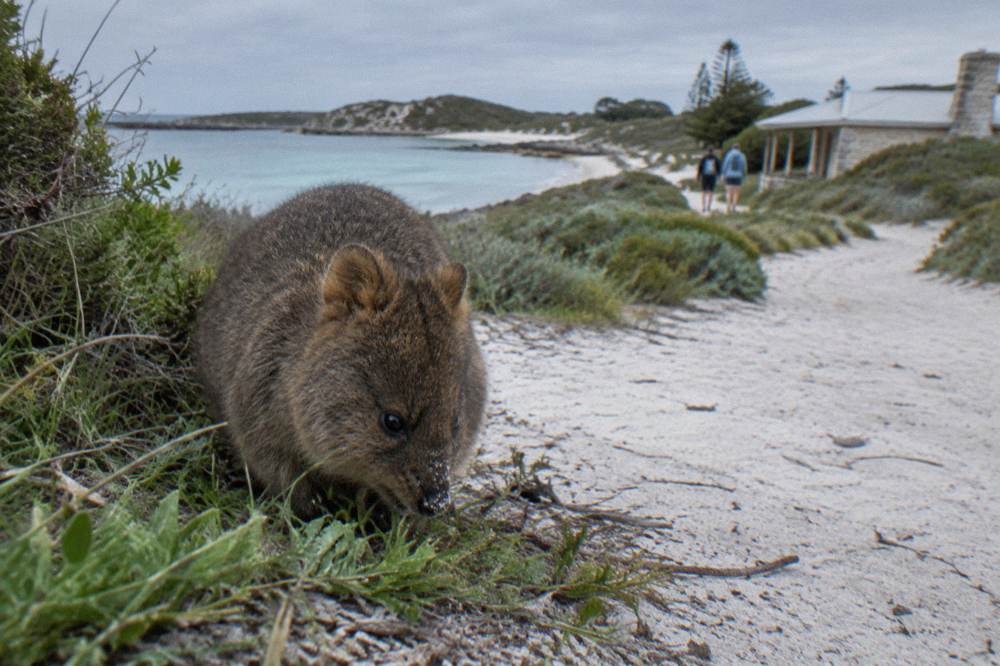
Water is the other constant. The Authority advises walkers to carry at least two litres each, refillable at Thomson Bay, Army Jetty, Kingstown Barracks, The Basin, Vlamingh Lookout and Geordie Bay, and quokkas read the same map. In dry months the reliable sightings cluster near those refill points and the settlement's permanent water, which is one reason the guided products that stay near the settlement outperform long west-end rides for quokka purposes.
Dugites, the island's venomous snakes, share the shaded refuges, so watch the ground as well as the scrub, and report any sick or dead birds to the Emergency Animal Disease Hotline on 1800 675 888 rather than touching them. Wildlife rules on a Class A Reserve are enforced, and they exist because habituated animals are the ones most easily harmed by feeding. A quokka that has learned to associate people with food is a quokka one fine away from a bad outcome, and the island's long-term population health rests on visitors keeping that association from ever forming.
The broader wildlife calendar rewards the same timing instinct beyond quokkas. Long-nosed fur seals haul out at Cathedral Rocks near Cape Vlamingh, best watched from the purpose-built platform rather than the water, and swimming with them is not permitted. Ospreys nest on the rocky stacks around the coast, and humpback and southern right whales pass the island from August to December, sometimes visible from the ferry itself. Every one of those sightings favours the same visitor: the one standing quietly at the edge of the day rather than rushing through its middle.
Common Questions About Seeing Quokkas
What Is The Best Time To See Quokkas?
Early morning or late afternoon, when the mainly nocturnal animals are feeding. The best months are the cooler ones, roughly May to September, when daytime activity rises. Joeys appear in pouches in August and take first hops in September.
Where Is The Best Place To See Quokkas?
The Thomson Bay settlement, where a habituated population shelters in gardens and shaded scrub close to the ferry jetty. Geordie Bay, Longreach Bay and the west end hold wilder quokkas, best found in the cool hours of cooler months.
Can You See Quokkas In The Middle Of The Day?
Yes, in the settlement, where habituated animals rest in visible shade near lawns and paths. Sightings are less frequent and the animals are dozing rather than active, so treat midday as a bonus window rather than the plan.
Are Quokkas Guaranteed On A Tour?
No tour on the island guarantees a quokka sighting, and the guides' free Meet the Quokkas walk is itself subject to weather and volunteer availability. Quokkas are abundant and encounters are very likely in the right hours, but wildlife does not sign contracts.
When Are Quokka Joeys Visible?
From August, when joeys poke their heads out of their mothers' pouches, through September, when they take their first hops. Late winter and early spring are the joey months, set by the breeding cycle rather than by visitor demand.