Wadjemup: Aboriginal Heritage On Rottnest Island
Long before it was a ferry destination, the island Perth knows as Rottnest was Wadjemup, a place of deep significance to Whadjuk Noongar people. This page sets out the name, the recorded history of the Aboriginal prison that operated here for 93 years, and the ways visitors can engage with that story honestly today.
Short answer
Wadjemup is the Whadjuk Noongar name for Rottnest Island, glossed on the official island site as place across the water where the spirits are. State records indicate 3,700 Aboriginal men and boys were imprisoned here between 1838 and 1931, some as young as eight. A burial ground lies in the settlement, and the Wadjemup Museum tells the story daily.
Most visitors arrive at Rottnest Island for quokkas, beaches and bike loops, and the island delivers all three. But the place has an older name and a harder story. The Whadjuk Noongar people, the Traditional Owners of the island, call it Wadjemup, and between 1838 and 1931 it was the site of an Aboriginal prison whose records are now part of Western Australia's official account of its own past. Understanding even the outline of that history changes how a day trip feels: the settlement you walk through sits beside a burial ground, and the museum a few minutes from the ferry jetty holds 40,000 years of culture and a prison record that ran for 93 years. If you want the fuller picture of how the quokkas, the beaches and this harder history fit together, the guide to what makes Rottnest Island famous covers all of it.
This page sets out what is officially recorded, in plain language, and then covers the practical ways to engage with it: the museum, the free guided walks, the Go Cultural Aboriginal walks the official island site lists, and the bus and train tours that carry the island's later history. Where a figure appears here, it comes from official sources or from tour listings on this site's roster.
What Does Wadjemup Mean?
Wadjemup is the Whadjuk Noongar name for the island Perth calls Rottnest, and the official island site glosses it as place across the water where the spirits are. The Whadjuk Noongar people are the Traditional Owners of Wadjemup, and the name predates the island's colonial naming by well over a century. If you want to hear more of these stories directly from local guides, the Rottnest bus and discovery tour guide covers what to expect on the island's most popular narrated rides.
Noongar is the language and nation of the Aboriginal people of the south-west of Western Australia, and Whadjuk is the group whose country includes Perth and the islands off its coast. The word bidi, which appears across the island's walking trail network in the name Wadjemup Bidi, is Noongar for trail; the full network of five trails covers 45 km of the island and is described in the official guide to the Wadjemup Bidi. The naming matters. Every sign on the island now carries Wadjemup alongside or instead of the colonial name, from the museum (Wadjemup Museum) to the newest accommodation (The Lodge Wadjemup), and that shift reflects a longer process of the island's official bodies acknowledging Whadjuk Noongar connection to the place.
For visitors, the practical starting point is that the island is a Class A Reserve managed for both conservation and heritage. The quokkas that made the island famous, the world's largest population at an IUCN-estimated 8,000 to 12,000 animals, are protected wildlife under the same framework of rules that protects the island's cultural sites: do not touch or feed any wildlife, with on-the-spot fines and prosecution possible under the Biodiversity Conservation Act 2016 for up to A$10,000.
| Term | Meaning | Where you will see it |
|---|---|---|
| Wadjemup | Place across the water where the spirits are | Island signage, museum, official site |
| Whadjuk Noongar | Traditional Owners of the island and Perth region | Museum exhibits, official history pages |
| Bidi | Noongar for trail | Wadjemup Bidi walking trail network |
| Wadjemup Museum | The island's museum, entry by contribution | Old Mill and Hay Store, Thomson Bay |
What Happened At Wadjemup Between 1838 And 1931?
State records indicate that 3,700 Aboriginal men and boys were imprisoned at Wadjemup between 1838 and 1931, in a prison operation known as the Rottnest Island Aboriginal Establishment that ran for 93 years. Some of the prisoners were children as young as eight. Many never left: an Aboriginal burial ground lies within the settlement area, largely unmarked, beside the buildings visitors walk through today.
The facts are stated plainly on the official island history pages, and this page repeats them the same way. Aboriginal men and boys from across Western Australia were brought to the island, often for offences that would not have applied to non-Aboriginal people, and were put to work building the stone walls, buildings and roads that still form the settlement. Conditions were harsh, deaths in custody were many, and prisoners were buried on the island rather than returned to their country. The full record, including the official acknowledgement of these deaths and the resting place of the buried, is set out on the official Aboriginal history page.
There is no way to soften the numbers, and nothing on this page tries to. What a visitor can do is engage with the record where it is held and told: the Wadjemup Museum dedicates space to the imprisonment years alongside 40,000 years of Aboriginal presence, and the island's official tourism bodies now frame the site's heritage around Whadjuk Noongar perspectives. If your day on the island is built around a package like the ferry and bike day from Fremantle, which runs about 7.5 hours and includes bike hire and admission from A$127 per person, setting aside an hour for the museum rather than only the beaches is the single easiest way to give the history its due.
How you arrive matters less than what you do with the day. The three ferry operators, Rottnest Express, Rottnest Fast Ferries and SeaLink Rottnest, all land at the Main Jetty in Thomson Bay, and the museum, the burial ground area and the settlement's heritage buildings are all within a short walk of that jetty. You do not need a tour to see them; you need time and attention.
| The record | What official sources state |
|---|---|
| Prisoners | 3,700 Aboriginal men and boys, per state records |
| Period | 1838 to 1931, a 93-year operation |
| Youngest recorded | Children as young as eight |
| Prisoner labour | Built much of the settlement's stone infrastructure |
| Burial ground | Lies within the settlement area, acknowledged officially |
If you want a structured introduction to the island that covers this period with live commentary, these are the three listings on this roster best suited to a heritage-focused day:
Where Is The Wadjemup Aboriginal Burial Ground?
The Wadjemup Aboriginal burial ground lies within the Thomson Bay settlement area itself, close to the buildings most visitors pass within minutes of arriving. It holds the remains of Aboriginal prisoners who died on the island during the prison years, and it is treated as a resting place rather than an attraction. Official island material asks visitors to behave respectfully around it.
The burial ground is not fenced off as a separate tourist site, which is exactly why it deserves deliberate respect. It sits inside the living settlement, near the heritage precinct, and the absence of headstones reflects the conditions of the prison years rather than an absence of dead. The official history pages record that the burial ground lies in the settlement; the museum and the voluntary guides can orient visitors who want to understand its location and significance properly rather than stumbling across it. This is one place where joining a guided walk, such as the free Pioneers and Prisoners walk run daily by the voluntary guides, does more than reading a sign: the guides carry the context that a placard cannot.
Respectful behaviour on the island more broadly follows the same logic. Stay on paths at heritage sites, do not climb on the old stone walls, and do not touch or feed wildlife, rules backed by on-the-spot fines and, for cruelty, penalties up to A$300,000 and five years imprisonment under Western Australian law. The official guidance on protecting the island's wildlife and its heritage is the reference to check before you go.
A question worth asking early is how much structure you want around the day. A guided bus product such as the From Perth or Fremantle: Rottnest Island Ferry and Bus Tour, from A$149 per person with a 4.6 rating from 1,512 reviews, pairs your return ferry with a 105-minute commentary tour that passes through the settlement and the island's coastal landmarks, and the Perth departure adds a Swan River scenic cruise on the way down. It is a light-touch way to hear the island's layered history while someone else handles the logistics.
Where Can You Learn The Story On The Island Today?
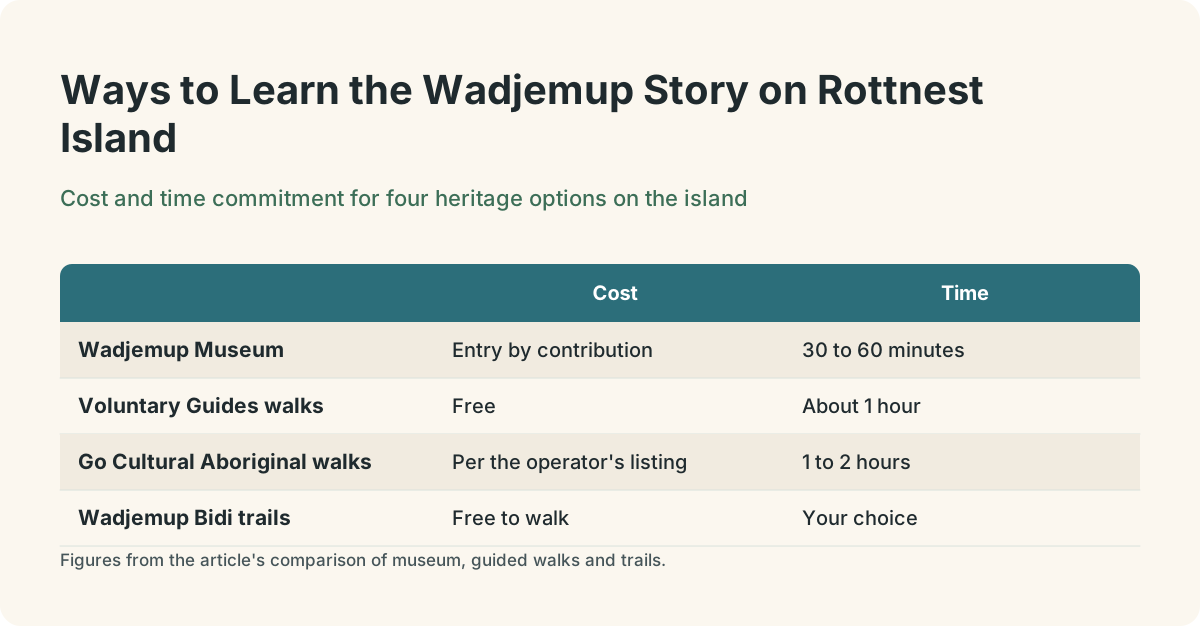
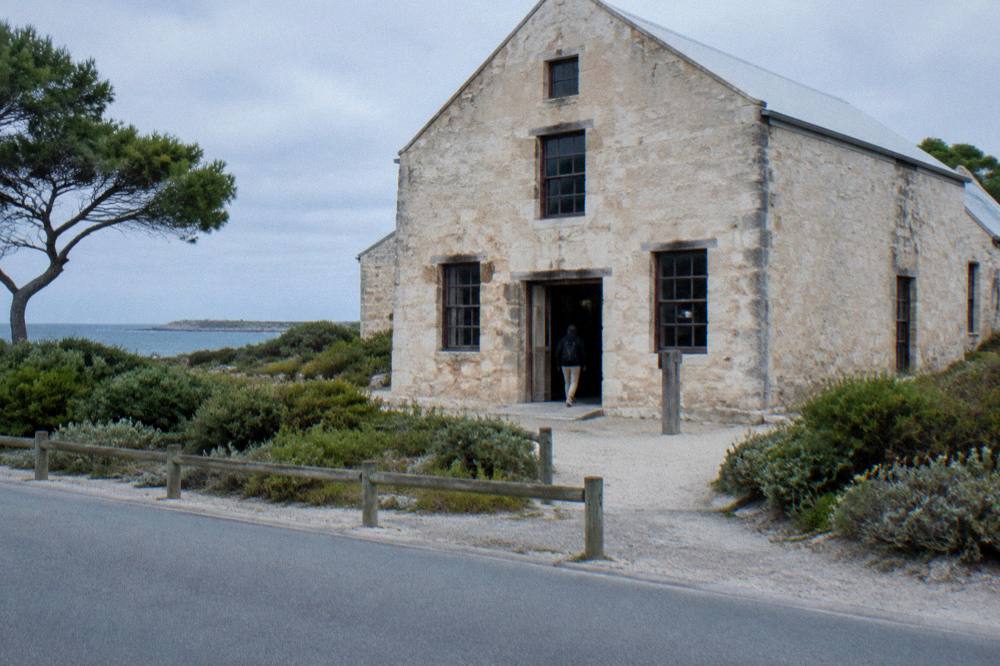
Four places carry the Wadjemup story directly: the Wadjemup Museum in the Old Mill and Hay Store, the free daily walks run by the Rottnest Voluntary Guides Association from the Salt Store, the Go Cultural Aboriginal walking tours of 1 to 2 hours listed on the official site, and the signage along the Wadjemup Bidi trail network. The museum is open daily about 10 am to 3:30 pm, entry by contribution.
The museum is the anchor. It sits in the settlement's oldest industrial buildings, holds exhibits spanning 40,000 years of habitation and culture through to the prison years and the island's tourism era, and asks only a contribution at the door. Because it is minutes from the Main Jetty, it fits into any day trip plan, including a tight one; if you are working with the shorter end of the day, the question of whether four hours is enough on the island usually comes down to choices like this one, and the museum is a fair trade for a second swim.
The free walks are the island's quiet best-kept offering. The Rottnest Voluntary Guides Association departs daily from the Salt Store next to the Information Booth, with walks including Meet the Quokkas, Reefs Wrecks and Daring Sailors, Pioneers and Prisoners, Salt Settlers and Survivors, Whitecaps and Wilderness at Parker Point, and the roving West End Wanderer. No booking is needed, times can shift with weather and guide availability, and the official walking tours page carries current details. During school holidays the guides add free family programs, with summer sessions running 2 to 31 January 2027 and autumn sessions 10 to 25 April 2027.
| Way to learn | What it covers | Cost | Commitment |
|---|---|---|---|
| Wadjemup Museum | 40,000 years of culture, the prison years, tourism era | Entry by contribution | 30 to 60 minutes |
| Voluntary Guides walks | Heritage, wildlife, the imprisonment record | Free | About 1 hour |
| Go Cultural Aboriginal walks | Nyitting stories, cultural practice, 1 to 2 hours | Per the operator's listing | 1 to 2 hours |
| Wadjemup Bidi trails | Self-guided, five trails, 45 km total | Free to walk | Your choice |
Go Cultural Aboriginal walks are the guided, Aboriginal-led option: the official island site lists them at 1 to 2 hours, incorporating Nyitting (cold time or creation) stories and a sand ceremony, bookable through the operator's listing. For a fuller picture of what else fills a day, the guide to things to do on the island covers the beaches, bike loops and wildlife options, and the free activities guide details everything that costs nothing, walks included.
How Do Guided Tours Cover The Island's Later History?
The island's military and colonial-era history is covered by two structured products on this roster: the Oliver Hill Train and Tunnel Tour, a 2-hour guided visit to the World War II gun battery and tunnels from A$40 per person, and the grand island bus packages, which fold Oliver Hill into a full-day circuit with lunch. Both tell the later layer of the story on top of the Aboriginal history a visitor should already have encountered.
Oliver Hill sits at the island's high western side and holds the massive guns and tunnels built to defend Fremantle's port. The tour listed on this roster, run by Australian Pinnacle Tours with live commentary and an air-conditioned vehicle, carries a 4.6 rating from a small pool of 35 reviews, and costs from A$40 per person. It departs on the island, so it pairs with any ferry ticket or package; note the listing excludes drinks, lunch and your ferry to the island.
The grand island packages suit visitors who want the fortress story plus the full island circuit without organising anything themselves. Rottnest Fast Ferries' Grand Island Day Tour with Lunch, from A$199 per person with a 4.4 rating from 671 reviews, runs a 3.5-hour guided bus and historic train tour with a picnic lunch and same-day ferry from Hillarys, plus optional hotel pickup from selected Perth and Scarborough hotels. SeaLink's Grand Island Package, from A$209 per person with a 4.5 rating from 461 reviews, runs 7 to 9 hours and includes a 4-hour grand island tour, the Oliver Hill Guns and Tunnel tour, a light sandwich lunch and ferry transfers from Fremantle or Perth.
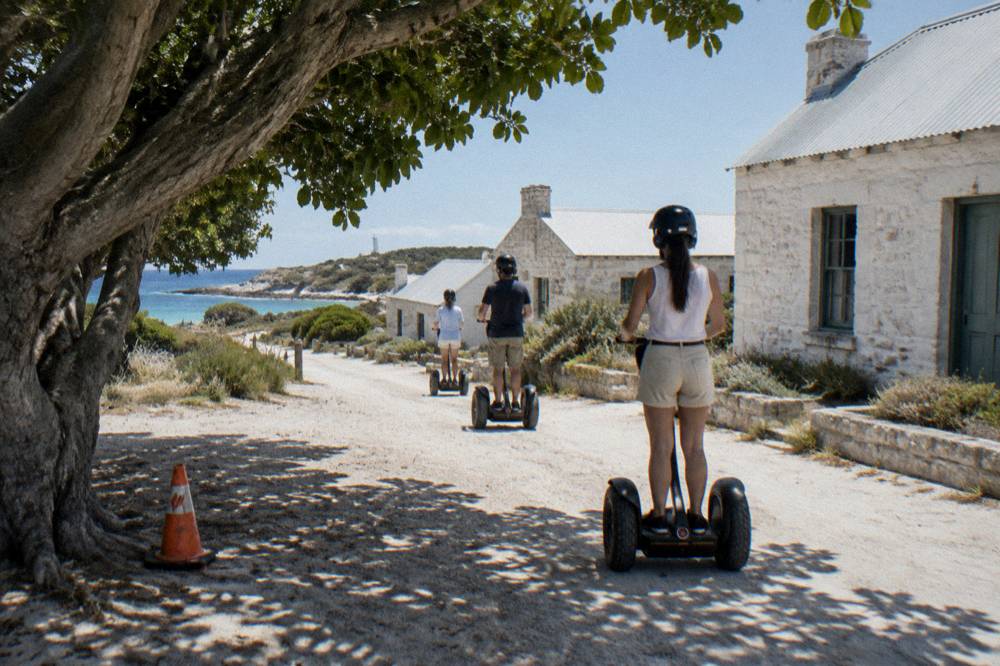
For a shorter spin through the settlement's own past, the 1-hour Settlement Segway Tour from Segway Tours WA, from A$98 per person with a 4.7 rating from 62 reviews, glides the settlement's heritage streets with a guide and radio headsets, rider training included. It is a light, fun format rather than a deep history lesson, but it passes the same buildings the voluntary guides describe on foot, and the 90-minute Fortress Adventure version at from A$139 per person extends toward the island's military west end.
How Should You Plan A Heritage-Focused Day Trip?
Build the day around the settlement first: ferry in, museum and a voluntary guides walk before lunch, then bikes, beaches or a bus tour in the afternoon. Admission is collected with your ferry fare (A$21.50 adult for a single day), crossings take about 25 minutes from Fremantle, 45 from Hillarys and up to 90 from Perth, and most packaged tours on this roster include the admission fee in the listed price.
The ferry and bike packages are a popular format for a reason: they bundle the crossing, admission and a bike for the day, leaving you free to spend your settlement time on the museum and walks. The Hillarys ferry and bike day from Rottnest Fast Ferries runs from A$124 per person with a 4.7 rating from 2,937 reviews, including bike, helmet, lock, admission and optional hotel pickup; the equivalent Fremantle day from Rottnest Express runs from A$127 per person with a 4.7 rating from 947 reviews. SeaLink's version from Fremantle, from A$127 per person, carries a 4.8 rating from 502 reviews.
If you would rather not pedal, the plain ferry and admission tickets work well: SeaLink's Fremantle ferry and admission ticket runs from A$90 per person with a 4.7 rating from 580 reviews, and its Perth Barrack Street equivalent from A$135 per person. The ferry guide and the ferry prices guide break down every fare and family option in detail.
| Option | From (per person) | Rating and reviews | Best for |
|---|---|---|---|
| Hillarys ferry and bike day | A$124 | 4.7 from 2,937 reviews | Full independent day with wheels |
| Fremantle ferry and bike day | A$127 | 4.7 from 947 reviews | Shortest crossing, bike included |
| SeaLink ferry and admission | A$90 | 4.7 from 580 reviews | Do your own thing, cheapest bundle |
| Ferry and bus tour | A$149 | 4.6 from 1,512 reviews | Commentary without cycling |
| Oliver Hill train and tunnel | A$40 | 4.6 from 35 reviews (small pool) | Military history add-on, on-island |
Booking ahead matters at peak times. The island's own operators note that ferries, the Island Explorer bus and tours often book out during school holidays and peak summer periods, and WA school holidays run 17 December 2026 to 31 January 2027, 10 to 25 April 2027 and 3 to 18 July 2027. Most listings on this roster carry free cancellation, so there is little cost to reserving early and adjusting later. For a broader comparison of formats and prices, the Rottnest Tours homepage comparison lays the whole roster side by side.
What Should Visitors Keep In Mind About Respect And Sensitivity?
The island's official material asks visitors to treat Wadjemup as a place of continuing significance, not a backdrop: behave respectfully around the burial ground and heritage buildings, follow the wildlife rules, and take the prison record seriously rather than skipping past it. No tour is required to do this well, but the guided options, especially the Aboriginal-led walks, carry the story with the depth it deserves.
A few practical notes follow from that. Do not stage photographs in ways that treat heritage sites as props. Do not touch or feed the quokkas, rules enforced with on-the-spot fines and possible prosecution under the Biodiversity Conservation Act 2016 for up to A$10,000, and animal cruelty penalties up to A$300,000 and five years imprisonment. Venomous dugites live on the island; leave them alone and seek medical help if bitten. Drones are not permitted for recreational use anywhere on the island. And if you encounter sick or dead birds, report them to the Emergency Animal Disease Hotline on 1800 675 888 rather than handling them.
Sensitivity also extends to language. The island's official bodies use Wadjemup and Rottnest interchangeably, acknowledge Whadjuk Noongar as Traditional Owners, and frame the imprisonment record in plain terms rather than euphemism. Following their lead is the simplest correct approach for any visitor writing about, posting about, or simply talking about the island afterwards.
The deeper background on Aboriginal connection, imprisonment and the path to formal acknowledgement is held by the island's official history pages and the museum; if you want one further read before or after a visit, the museum's own official page describes its exhibits and opening arrangements. For everything practical about assembling the day itself, start with the day trip guide.
Whichever way you assemble the day, these three listings are the strongest fits for a visit built around the island's story:
Common Questions About Wadjemup And Aboriginal Heritage
What does Wadjemup mean?
Wadjemup is the Whadjuk Noongar name for Rottnest Island. The official island site glosses it as place across the water where the spirits are. The Whadjuk Noongar people are the Traditional Owners of the island.
How many Aboriginal people were imprisoned at Wadjemup?
State records indicate 3,700 Aboriginal men and boys were imprisoned at Wadjemup between 1838 and 1931, a 93-year operation known as the Rottnest Island Aboriginal Establishment. Some prisoners were children as young as eight.
Where is the Wadjemup Aboriginal burial ground?
The burial ground lies within the Thomson Bay settlement area, close to buildings visitors pass shortly after arriving. It holds the remains of Aboriginal prisoners who died on the island and should be treated as a resting place, not an attraction.
Is there a museum on Rottnest Island?
Yes. The Wadjemup Museum sits in the Old Mill and Hay Store in the settlement, is open daily about 10 am to 3:30 pm, and entry is by contribution. Its exhibits span 40,000 years of Aboriginal culture through the prison years to the present.
Are there Aboriginal-led tours on Rottnest Island?
Yes. The official island site lists Go Cultural Aboriginal walking tours of 1 to 2 hours, which share Nyitting stories and cultural practice. The Rottnest Voluntary Guides Association also runs free daily heritage walks from the Salt Store.
Do any packaged tours cover the island's history?
Yes. The ferry and bus tour from A$149 per person includes a 105-minute commentary tour, the Oliver Hill Train and Tunnel Tour from A$40 per person covers the WWII gun battery, and the grand island packages from A$199 per person combine the island circuit, Oliver Hill and lunch.