When Can You See Whales On Rottnest Island?
The whale season around Rottnest Island runs from August to December, with humpbacks and southern right whales passing the island on migration. Here is when to go, where to look, and what a boat trip can realistically show you.
The official whale watching season around Rottnest Island runs from August to December, and whales are sometimes seen as early as June and July. Humpback whales and southern right whales migrate past the island on their way between Antarctic feeding grounds and warm northern breeding waters. The island's own whale page notes that passengers regularly spot them from the ferry deck, which makes the crossing itself one of the better-value whale watching opportunities on the whole Perth coast, since a ticket you were buying anyway carries the chance at no extra cost.
The short version: come between August and December, book a morning or afternoon on the water, and treat any whale as a bonus rather than a promise. The long version, including which month does what, where the lookout points are, and what a boat tour can honestly offer, follows below.
When Can You See Whales On Rottnest Island?
The best time to see whales on Rottnest Island is August to December, which is the official season window, though June and July can sometimes produce early sightings before the main run of whales arrives. Plan your visit within these months for your strongest chance of spotting them from the island. The whales passing Rottnest are mostly humpbacks making their annual migration north and then south again, with southern right whales also present in the region. Because the migration runs both ways, the season is long: the northern leg fills the middle of the year, and the return leg with new calves fills spring. Nothing in the official material promises a sighting on any given day, and no tour sold on this site is marketed as whale watching at all.
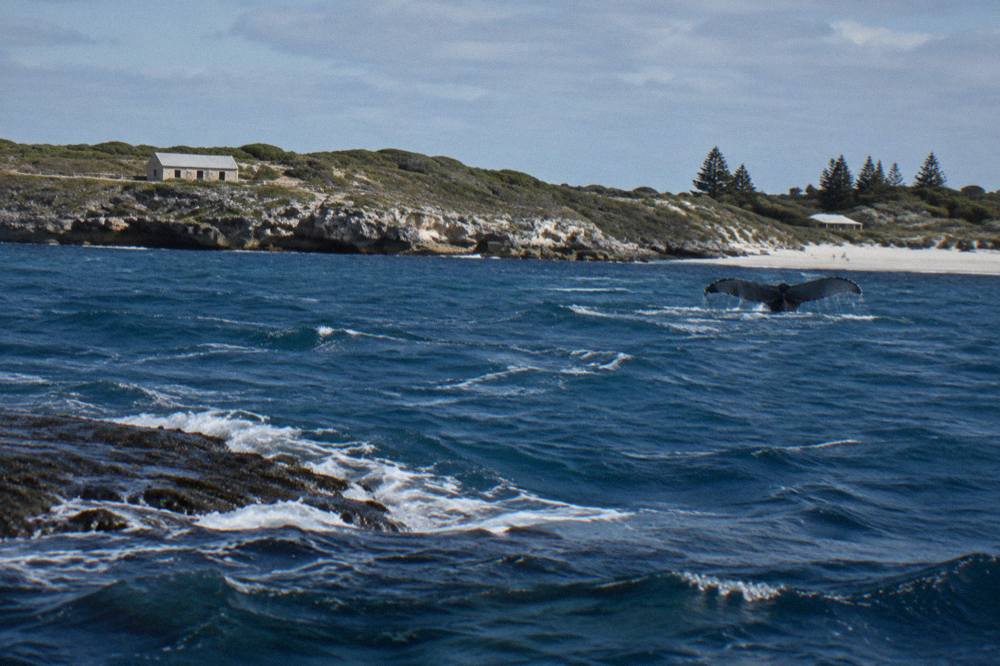
The mechanics of the migration explain the calendar. Humpbacks feed in Antarctica over summer, then swim north along the Western Australian coast through winter to breed in the warmer tropics, and turn around in spring to bring calves back south. Rottnest sits directly on that highway, roughly 19 km from Fremantle, so the island's west end and the deeper water beyond it function as a corridor rather than an occasional route. The official whale watching page states the season plainly: August to December, with whales sometimes seen as early as June and July.
Two honest caveats belong right up front. First, no product on this site's roster is sold as a whale watching tour; the closest thing is a high-speed wildlife cruise, and even there the listing promises the ride, the seals and the commentary, not cetaceans. Second, whales are wild animals on a months-long swim, so any operator who guarantees a sighting is overselling. Guest reviews of the ferries and the wildlife cruise sometimes mention whales, which tells you the encounters happen, and the only sensible posture is to book the boat you wanted anyway and enjoy the whale if it shows.
The practical takeaway is that a Rottnest day trip in spring is already a whale watching trip, whether you planned it that way or not. The crossing from Fremantle takes about 25 minutes, from Hillarys about 45, and the ferry from Perth up to 90 minutes across the Shelter and the open water where the migration passes. Longer on the water means more eyes on the water, which is one quiet argument for the Perth departure when the season is running.
Which Month Is Best For Whale Watching?
September through November is the best window, because the spring return migration brings northbound stragglers and southbound mothers with calves into the water at the same time. That overlap gives you the highest chance of sightings, with plenty of whales moving through before the peak crowds of high season arrive. August marks the reliable start of the official season, December the tail, and June and July the occasionally surprising shoulder before things properly begin. If a whale is the whole point of the trip, aim for spring, book a boat day, and hedge with a quokka selfie and a snorkel so the day works beautifully whether or not anything surfaces.
Here is how the season reads month by month, based on the official window rather than on any operator's marketing:
| Months | What is happening | Realistic expectations |
|---|---|---|
| June to July | Early northern migration; official page says whales are sometimes seen this early | Possible but not dependable; winter swell can also affect boat schedules |
| August | Season opens properly; humpbacks moving north in numbers | Good odds from the ferry and from lookout points |
| September to October | Peak overlap; northbound and southbound whales share the corridor | Best months; the island-based whale cruise runs through this window |
| November | Return migration with mothers and calves | Strong month; calves swim close to mothers, often nearer shore |
| December | Season tapers; late mothers and calves still passing | Sightings thin out; summer crowds and ferry demand rise |
Weather shapes the experience as much as the calendar. Bureau of Meteorology averages for the island station show June, July and August as the wettest and coolest months, with mean maximum temperatures from 17.9 to 18.8 degrees Celsius, while spring clears steadily toward a November mean maximum of 23.1. Sea temperatures run the other way, sitting at their annual low in September and climbing back above 21 degrees by December. For a visitor, that means August trips can be blustery and wet, October and November trips are usually mild, and the water is at its coldest exactly when the whales are at their most numerous. The long-term climate averages for the island are published by the Bureau and are worth a look before you commit to a date.
One more spring consideration: WA school holidays from 3 to 18 July 2027 sit in the early-possibility window, while the 10 to 25 April 2027 holidays fall well outside the season. If you are tied to school dates, the December 2026 window overlaps the start of summer holidays on 17 December 2026, which is late-season for whales but peak season for ferry crowds, so book the boat well ahead.
Where Is The Best Place To Watch Whales In Perth?
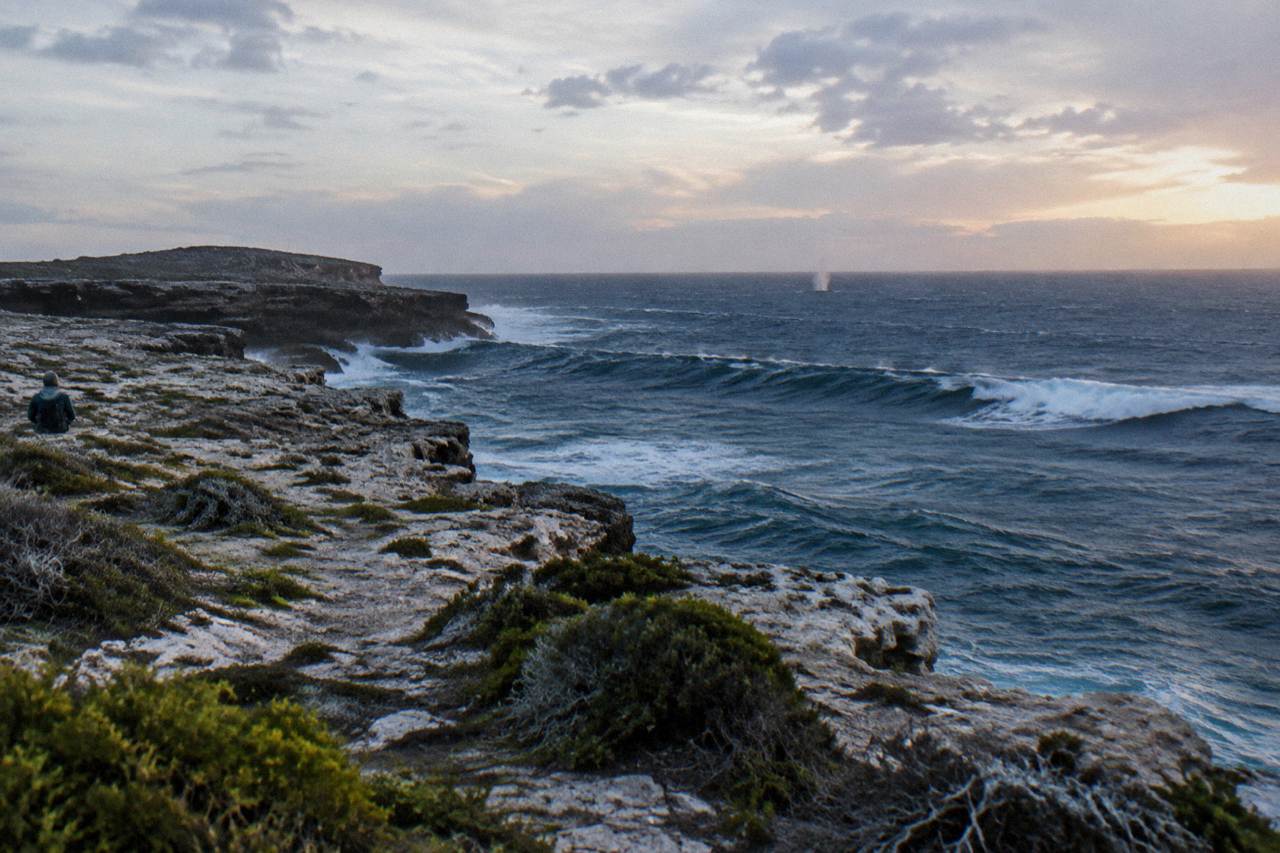
From land, the west end of Rottnest Island around Cape Vlamingh and the Wadjemup Lighthouse area are the strongest vantage points; from the water, the ferry routes and a dedicated cruise cover far more ocean than any shore position ever could. Whales pass along the deeper water off the island's western side, so anywhere with a clear view of that horizon works. In Perth itself, coastal lookouts can produce sightings during the peak, but the island sits closer to the migration line than the metropolitan beaches do.
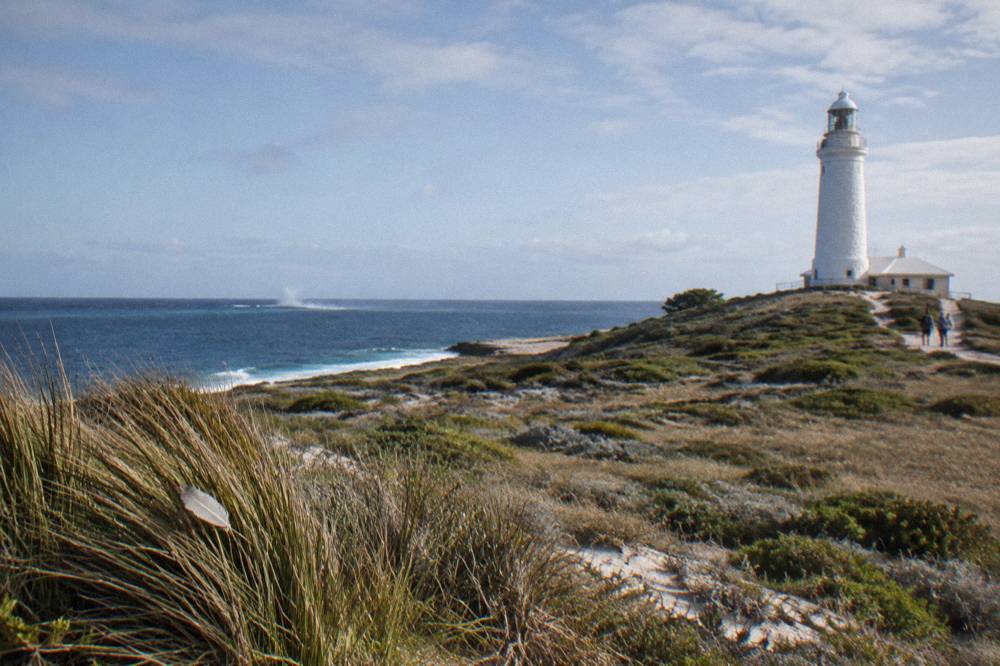
On the island, the practical shore strategy is simple: get west. Cathedral Rocks near Cape Vlamingh already draws visitors for its resident colony of long-nosed fur seals, viewed from a purpose-built platform, and the surrounding coastline looks straight out over the migration corridor. The Island Explorer bus, which runs daily from about 8:45 am to 3 pm on roughly 15-minute intervals across 19 stops, reaches the west end, as does the island loop by bike; the full 22 km circuit takes most riders 3 to 5 hours with stops. A pair of binoculars transforms any of these from a nice view into a genuine watching position.
From the water, the options split into three tiers. The cheapest is the ordinary ferry crossing: same-day returns including the A$21.50 island admission start at A$87.50 from Fremantle with Rottnest Express, A$90 from Fremantle or A$134.50 from Perth with SeaLink, and A$95 from Hillarys with Rottnest Fast Ferries. The middle tier is a speed-and-commentary cruise built around the island's resident marine life. The top tier, the island's own dedicated whale cruise run by a ferry operator from Thomson Bay across September to November, is a separate operator product rather than something this site sells.
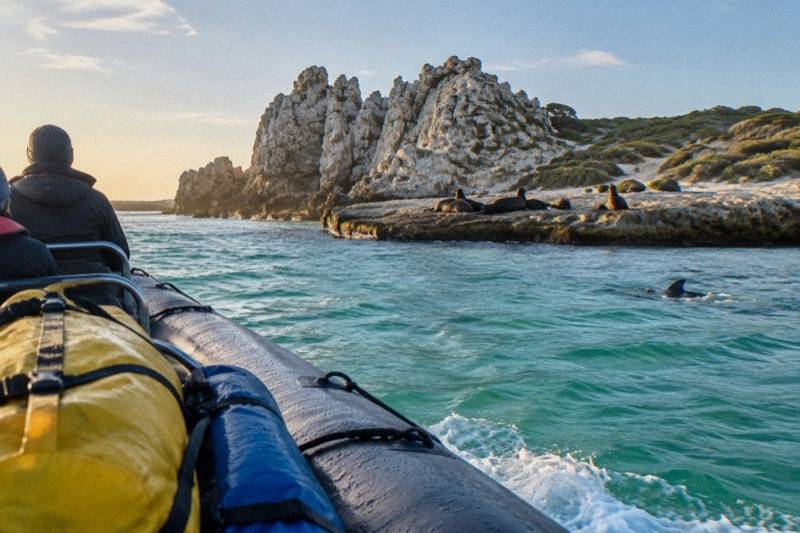
The wildlife cruise on this roster is the Adventure Rottnest Tour with Rottnest Express, from A$164 per person for about 8 hours all told. It bundles the same-day ferry from Perth or Fremantle with a 90-minute high-speed wildlife cruise, a local guide and all fees. Check availability if that mix suits, and read more in the adventure boat tour guide first. Guest reviews of this trip and of the plain ferry crossings sometimes report whales, alongside the seals and dolphins the crew can more reliably find; a sighting is a genuine possibility in season and never a promise from anyone.
What Time Of Day Is Best For Whale Sightings?
The honest answer is that whale sightings around Rottnest Island do not follow any verified time-of-day pattern. No published source confirms that mornings, middays, or afternoons are better, so when you go out depends on boat schedules rather than the clock. If a tour operator offers a specific departure window, that schedule, not the hour itself, will shape your chances. Whales surface, dive and travel around the clock, and what actually drives a sighting is time on the water, calm surface conditions and a crew or crowd scanning the horizon with attention. Choose the trip whose departure and duration suit your day, not one that claims a magic hour, because no such hour is documented anywhere official. If you want a departure time that actually fits your schedule, the full guide to the Rottnest Island adventure boat tour covers every option.
That said, some real-world physics helps. Morning winds on the west coast are typically lighter, and flatter water makes distant blows and flukes easier to pick out; a choppy afternoon swell can hide a whale a hundred metres from the boat. Photographers will also tell you the low morning light throws whale behaviour into higher contrast. None of this is an official claim, it is simply how surface conditions and light work, and it argues gently for whatever sailing your chosen operator runs in the earlier part of the day. The rest of the planning pages sit on Rottnest Tours.
Duration is the other lever. A 90-minute cruise covers a limited slice of ocean; a full-day ferry-and-bike package puts you on the water twice, once out and once home, at opposite ends of the day. If whales are the priority and budget allows, a day that includes both a cruise and a ferry crossing stacks your chances without spending anything extra. The Hillarys roundtrip fast ferry, from A$95 including landing fees, is the compact version of that idea, with free parking at Hillarys Boat Harbour and free cancellation on the listing.
Can You See Whales From The Rottnest Ferry?
Yes, whales can be seen from the Rottnest ferry, and the official ferry page confirms it explicitly: whales are among the wildlife passengers can spot from the deck during the migration season, so keep your eyes on the water throughout the crossing. With crossings of roughly 25 minutes from Fremantle, 45 from Hillarys and up to 90 from Perth, the ferry routes cross the same coastal water the whales use, and the longer Perth sailing spends the most time in the zone. Reviews of the crossings regularly mention sightings in spring, which is consistent with the official position and with everything else the migration calendar predicts.
Treat the ferry as a free option attached to a ticket you were buying anyway. Some practical notes for the deck-watchers:
| Departure point | Crossing time | Same-day adult return, admission included | Time in whale water |
|---|---|---|---|
| Fremantle | About 25 minutes | From A$90 (SeaLink) or A$87.50 (Rottnest Express) | Short but frequent, two crossings a day |
| Hillarys Boat Harbour | About 45 minutes | A$95 (Rottnest Fast Ferries) | Moderate, shelter then open water |
| Perth, Barrack Street | Up to 90 minutes | From A$134.50 (SeaLink) | Longest, includes river and open-ocean legs |
The Perth departures have a built-in bonus: several of the packages route you down the Swan River with commentary before the ocean leg, so the day doubles as a river cruise. The ferry-and-bus tour from Perth or Fremantle, from A$149 per person, pairs that sailing with a 105-minute island bus tour, and the grand island packages add guided touring and lunch for those who want the structure. None of these is a whale product; all of them are boats on whale water in season.
The plain ferry-and-admission tickets are the budget backbone of a whale-window visit. The Fremantle ferry and admission ticket with SeaLink, from A$90 per person, includes the same-day return, the island admission fee and onboard bar and WiFi, with extended return options if you would rather stay overnight. It carries a 4.7 rating from 580 reviews, and free cancellation on the listing.
Is Whale Watching In Perth Worth It?
Yes, whale watching in Perth is worth it, especially in spring when humpback migrations pass close to shore around Rottnest Island. Rather than treating it as a dedicated purchase, think of it as a fair-weather bonus, since nearly every spring boat trip in the area carries a reasonable chance of a whale sighting at no extra cost. If you buy a ferry ticket or a wildlife cruise in September or November and a humpback breaches off the bow, you have had a whale watching experience at no premium whatsoever. If nothing shows, you still have an island with 63 beaches and the world's largest quokka population, which is more than most whale watching ports can honestly say.
The arithmetic supports this. A wildlife cruise costs A$164 and includes the ferry; a ferry-and-bike day from Hillarys costs from A$124; a bare ferry ticket from A$90. Against that, the island-based dedicated whale cruise is a single-purpose ticket that only runs September to November and only pays off if the whales cooperate, which no operator can promise. For most visitors the diversified strategy, boat plus island, beats the single-purpose one.
Worth is also about what else the day delivers. The marine layer here is thick: five marine sanctuary zones ring the island, the Parker Point snorkel trail has 12 interpretive plaques on the seabed a 17-minute ride from Thomson Bay, and long-nosed fur seals haul out at Cathedral Rocks year-round, not seasonally. A spring day can stack a morning ferry with dolphins on the bow, a midday snorkel, an afternoon at the seal platform and a sunset crossing home. The island snorkelling guide covers the underwater half of that plan, and the full things-to-do guide covers everything else, including which activities need booking ahead in peak periods.
Which Species Pass Rottnest Island?
Humpback whales and southern right whales are the two species most regularly seen passing Rottnest Island, both migrating between Antarctic feeding grounds and tropical breeding areas each year. Humpbacks pass by in far greater numbers, making them the island's most commonly sighted whale, while southern right whales appear less frequently during their own annual journey along the Western Australian coast. Humpbacks are the numerous ones, while southern rights are seen less often and tend to swim closer to shore when they appear. The island's marine life does not stop at whales: long-nosed fur seals live at Cathedral Rocks, dolphins are regular visitors, and ospreys nest on rocky stacks around the coast through the year.
Identification from a ferry deck is mostly a matter of shape and behaviour. Humpbacks show long white flippers, a knobbly head and acrobatic breaches; southern rights are darker, bulkier and lacking a dorsal fin, and they often log near the surface. A distant blow in spring is likelier to be a humpback simply because there are more of them. Crews on the wildlife cruise point out whatever appears, and reviews of that trip more commonly mention the seals and dolphins the crew can reliably locate than the whales that may or may not pass.
Common Questions About Whale Watching On Rottnest Island
When Can You See Whales On Rottnest Island?
From August to December, which is the official season, and sometimes as early as June and July. Humpback and southern right whales pass the island on migration, and September to November is the strongest stretch because northbound and southbound animals overlap. Whales are also spotted from the ferry deck during the season.
Which Month Is Best For Whale Watching?
September to November. The spring return migration brings mothers and calves south past the island while northbound whales are still finishing their run, so more animals are in the corridor at once. August is the reliable start of the season and December the tail.
Where Is The Best Place To Watch Whales In Perth?
On the water, on a ferry crossing or a boat tour, because the routes cross the migration corridor directly. On Rottnest Island itself, the west end around Cape Vlamingh and the lighthouse area give the clearest view of the open water the whales use. Perth's coastal lookouts can produce sightings but sit further from the migration line.
What Time Of Day Is Best For Whale Sightings?
No verified source publishes a time-of-day pattern for Rottnest sightings. Morning conditions are often calmer, which makes distant whales easier to spot, but the factors that matter are time on the water, surface conditions and people watching. Pick the sailing that suits your day rather than a claimed magic hour.
Is Whale Watching In Perth Worth It?
As a free option attached to a spring ferry or cruise, absolutely. Every Rottnest boat trip between August and December carries a genuine chance of a whale, and if none appears the island still delivers beaches, snorkelling, seals and quokkas. A dedicated whale-watch purchase is a fair-weather bet by comparison.
Can You See Whales From The Rottnest Ferry?
Yes. The official ferry page lists whales among the wildlife passengers can spot during migration season, and guest reviews of the crossings back this up in spring. Longer crossings, such as the up-to-90-minute Perth sailing, spend the most time in the water the whales use.