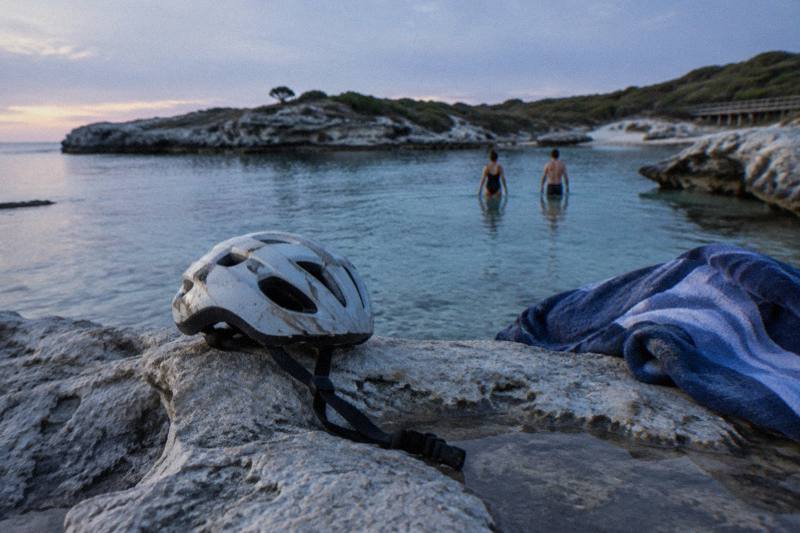
Is It Worth Staying Overnight At Rottnest Island?
An honest verdict on whether a night on Rottnest Island beats a day trip, covering what a stay unlocks, the official accommodation list, costs and how to add tours to an overnight visit.
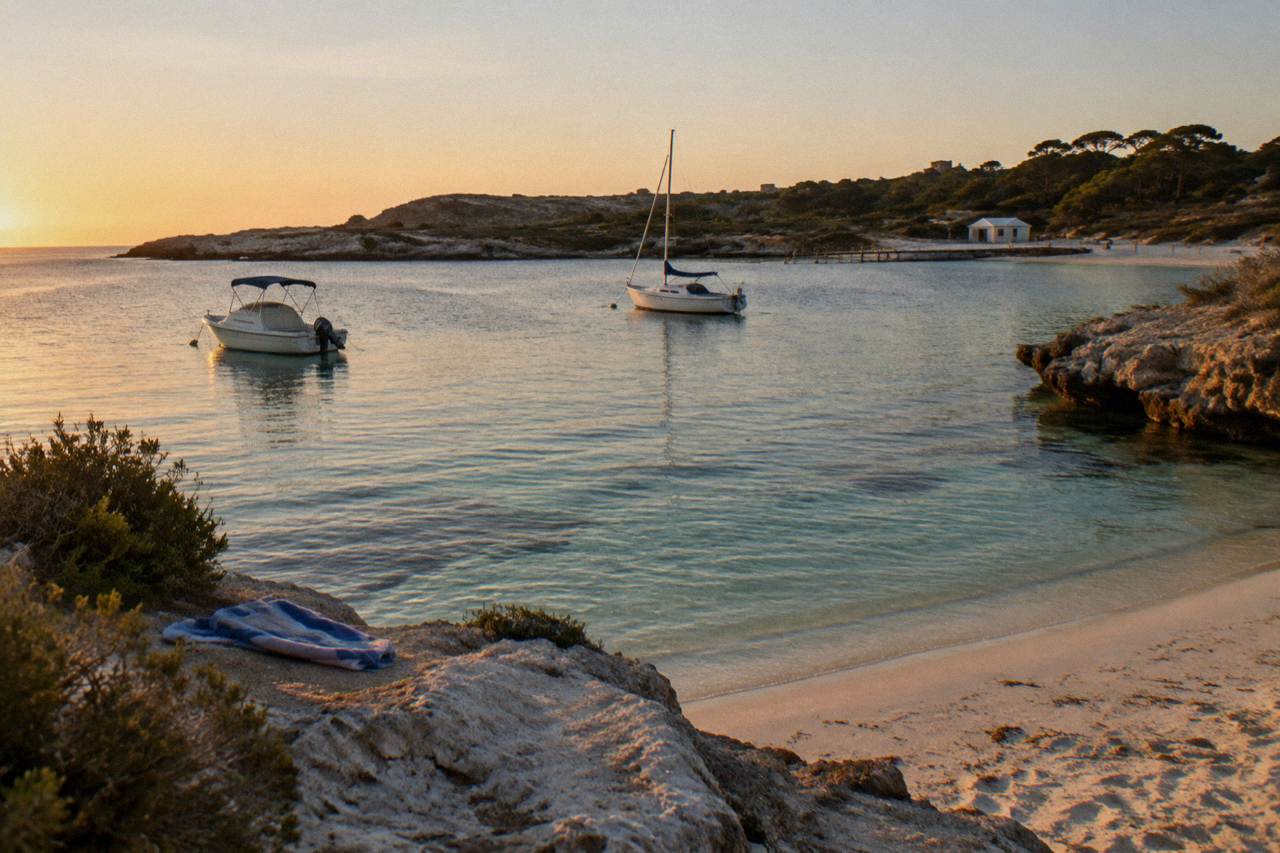
Yes, for most travellers who want quokkas at dawn, empty beaches and a swim at dusk, an overnight stay is worth it, because the island empties when the last ferry leaves and refills when the first one arrives. Day trippers get roughly six to eight usable hours on the island. Overnight guests get the same hours plus the two quietest windows of the day. The trade is money: rooms on the island are scarce, booked months ahead, and priced accordingly. The verdict depends on whether those quiet hours matter to you.
The honest framing is this. Rottnest Island sits 19 km from Fremantle, 22 km from Hillarys Boat Harbour and 33 km from Perth, and the crossing takes about 25 minutes from Fremantle, 45 from Hillarys and up to 90 from Perth. The island is small, 11 km long by 4.5 km wide, but it holds 63 beaches, 20 bays and the world's largest quokka population, an IUCN assessment puts that population somewhere between 8,000 and 12,000 animals. A single day touches a fraction of that. Two days touches more, at a slower pace.
Quokkas are mainly nocturnal and most active early in the morning and late in the afternoon, which is exactly when the day-trip crowds are thinning or not yet arrived. The settlement at Thomson Bay goes quiet after the last ferry departs. Guests staying overnight describe evenings where the quokkas move back through the lawn areas near the bakery and the hotel precinct, unhurried and unbothered. That experience is close to impossible on a standard day trip, which arrives with the crowds and leaves with them.
For travellers who read this and decide one day is enough after all, the ferry and bike packages do the day trip extremely well: the Hillarys ferry and bike day trip from A$124 per person bundles return ferry, bike, helmet, lock and island admission, and carries a 4.7 rating from 2,937 reviews. The question below is which kind of visitor you are.
How To Stay Overnight On Rottnest Island?
Book through the official island channels, choose from six stay types, and plan nine months ahead if your dates are fixed, because Stay Rottnest releases each month's inventory on the first Wednesday of the month, nine months in advance, and the best dates are gone within days of opening. The official stay list is short and closed: Stay Rottnest self-contained units, the Stay Rottnest campground, the Stay Rottnest hostel and dorms, Discovery Rottnest Island (83 eco-tents at Pinky Beach), Samphire Rottnest, and The Lodge Wadjemup, the newest option on the former Karma Rottnest site. Everything else you might see advertised as island accommodation is either one of these under another name or not accommodation at all.
That nine-month rhythm is the single most practical thing to know. The Rottnest Island Authority explains the system on its accommodation open days page: each month, bookings open for the corresponding month the following year. If you want a specific week in January, you need to be ready the previous June. Off-peak dates are calmer and easier, but the mechanism is the same, and knowing it exists is the difference between getting the room you want and taking the room that is left.
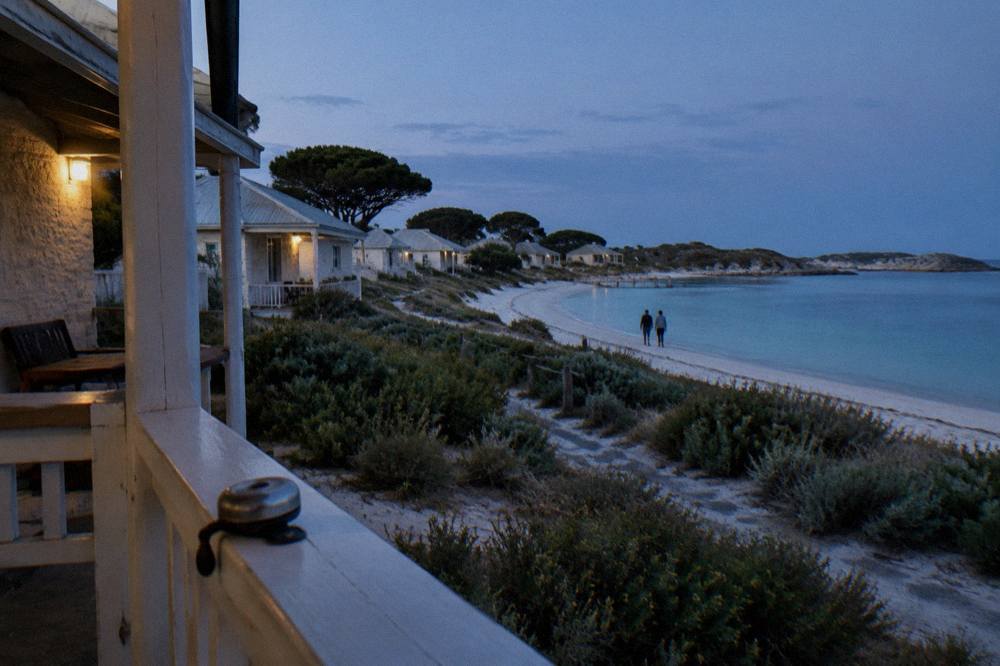
The six options suit six kinds of traveller. Self-contained units and cabins suit families who want to cook. The campground and the hostel suit budget travellers and groups. The eco-tents at Discovery Rottnest sit a short walk from Pinky Beach and lean toward comfort glamping. Samphire Rottnest and The Lodge Wadjemup are the proper hotel end of the scale (see Wadjemup Heritage). There is no wrong answer, only different budgets, and rates genuinely vary by season and room type, so treat the operators' own pages as the price source rather than any figure quoted in a travel article.
One practical note that trips up first-time visitors: Hotel Rottnest, the familiar Thomson Bay landmark, is a bar and dining venue with walk-in service, not accommodation. The overnight list is the six options above, and nothing else on the island. If a booking site offers you something not on that list, look twice before paying. This catches people every summer, because the building looks exactly like the island's hotel and behaves like one in every way except letting you sleep in it.
The booking-window mechanics and the stay options are covered in more detail in the Rottnest Island accommodation guide, which also walks through what each stay type includes and how the open-day calendar works in practice.
How Much Does It Cost To Stay At Rottnest Island?
Expect to budget for four separate costs rather than a single nightly rate: the ferry fare to reach the island, the island admission fee, your accommodation or camping site rate, and food, since nearly everything on Rottnest arrives by boat and is priced accordingly. Same-day adult ferry returns including admission run from about A$87.50 from Fremantle to A$95 from Hillarys to A$135.50 from Perth, and an overnight stay switches you to the extended-return fares plus the extended-stay admission of A$28.50 per adult. Room rates are set by each operator and vary widely by season; no reliable single number exists, so the operator's booking page is the price of record.
The ferry and admission layer is the transparent part. The island admission, collected by ferry operators on behalf of the Rottnest Island Authority, is A$21.50 for an adult single day and A$28.50 for an extended stay, valid through the 2026-27 fee year. SeaLink uses dynamic pricing from A$90 from Fremantle, Rottnest Express lists A$87.50 from Fremantle and A$135.50 from Perth, and Rottnest Fast Ferries lists A$95 from Hillarys, all same-day adult totals with admission included. Families travelling as two adults and two children pay from roughly A$230 to A$250 on the same-day fares from Fremantle or Hillarys.
| Cost layer | Day trip (adult) | Overnight stay (adult) | Notes |
|---|---|---|---|
| Ferry return | A$87.50 to A$135.50 same-day | Extended-return fare, higher | Depends on departure port and operator |
| Island admission | A$21.50 single day | A$28.50 extended stay | Included in ferry fare at booking |
| Room or camp site | A$0 | Varies, set by operator | No reliable single figure; check the operator's page |
| Food | One lunch, maybe a snack | Breakfast, lunch, dinner, drinks | Two General Stores, bakery, hotel dining |
| Bike hire (optional) | From A$35 a day plus A$50 deposit | Often hireable across both days | Pedal & Flipper standard multi-geared rate |
The food layer deserves honesty. There are two General Stores on the island, at Thomson Bay and Geordie Bay, open seven days, plus the bakery and hotel dining, and prices reflect the reality that everything arrives by boat. Self-contained units with kitchens soften this considerably, which is part of why families often prefer them. Campers and hostel guests should budget for store prices rather than mainland supermarket prices, and should plan to bring a cooler box on the ferry for anything specific.
The cheapest overall overnight shape is the campground or a hostel dorm booked well off-peak, combined with an extended-return ferry from Fremantle. The most expensive shape is a peak-week room at Samphire or The Lodge with dinners out. Both buy the same quiet dawn, which is worth saying plainly: the expensive end of the island's accommodation buys comfort, not exclusivity. The empty 7 am beach belongs to every guest regardless of where they slept.
What Is The Best Accommodation On Rottnest Island?
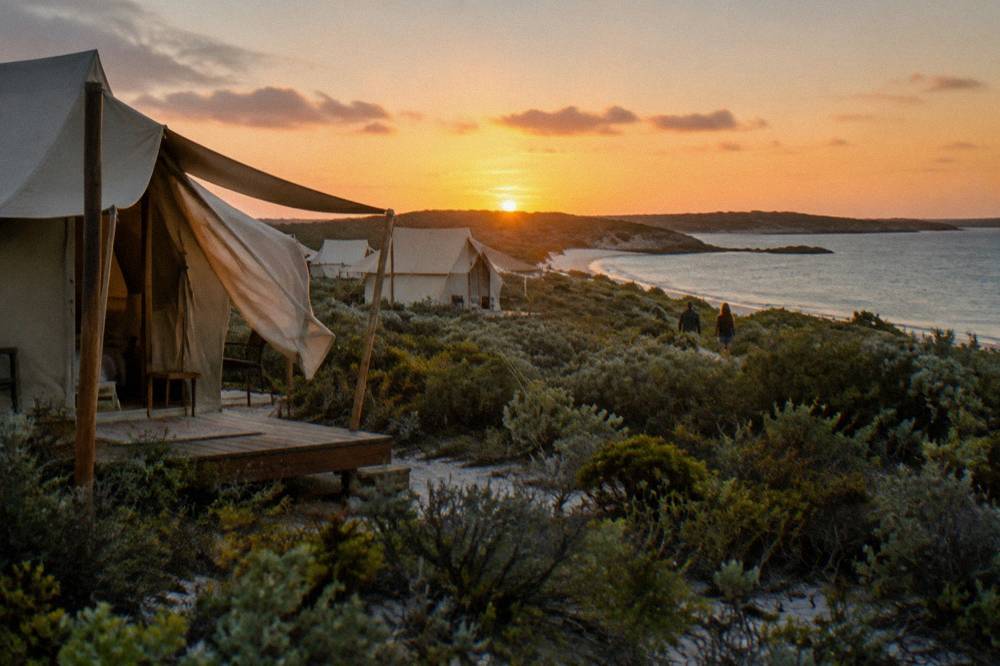
There is no single best, there is a best fit: The Lodge Wadjemup or Samphire for hotel comfort, Discovery's eco-tents for a beachside middle ground, and the Stay Rottnest units, campground or hostel for self-sufficient and budget stays. The Lodge Wadjemup is the newest, opened on the redeveloped former Karma site with over 100 rooms, dining and cultural spaces. Samphire is the established beachside option. Discovery's 83 eco-tents at Pinky Beach sit closest to the water of the mid-range choices, and the Stay Rottnest spread covers everything from family cabins to dorm beds.
Choosing between them comes down to three questions. Do you want to cook, or eat out? How close to the water do you need to wake up? And how fixed are your dates, because the nine-month booking window punishes inflexibility hardest at the top end. A family that can only travel in the January school holidays, which run 17 December 2026 to 31 January 2027, should treat the first Wednesday nine months out as a diary item, not a suggestion.
| Stay type | Style | Best for | Booking pressure |
|---|---|---|---|
| Stay Rottnest self-contained | Units, cabins, cottages | Families, self-catering | High in school holidays |
| Stay Rottnest campground | Powered and unpowered sites | Budget travellers, groups | Moderate, book ahead in summer |
| Stay Rottnest hostel and dorms | Shared rooms | Solo travellers, backpackers | Moderate |
| Discovery Rottnest Island | 83 eco-tents at Pinky Beach | Comfort camping, beach lovers | High in peak season |
| Samphire Rottnest | Hotel rooms | Couples, comfort stays | High |
| The Lodge Wadjemup | Hotel rooms, over 100 | Comfort, dining on site | High, newest option |
The rough rule from guest patterns: the hotel end suits one and two-night stays where the point is ease, while the units, campground and hostel suit longer stays where the point is the island itself. The more nights you stay, the more the per-night premium of a hotel matters less than location and kitchen access. A four-night family stay in a self-contained unit with a supermarket run on the mainland almost always lands cheaper per day than four nights of hotel dining, and the children get the same beaches either way.
What Does An Overnight Stay Unlock That A Day Trip Cannot?
Two things, mainly: the island after the last ferry departs, and the island before the first ferry arrives, and those two windows happen to be when the wildlife is most active, the light is best and the beaches hold a dozen people instead of hundreds. Quokkas are mainly nocturnal and most active early morning and late afternoon, The Basin and Pinky Beach are near-empty at dusk, and the settlement takes on an entirely different character once the day traffic has gone. Overnight guests also escape the return-ferry clock entirely, the quiet anxiety of every day trip, where the afternoon is spent calculating the ride back to Thomson Bay.
Consider what the day-trip version of the island looks like. Ferries arrive from mid-morning, the settlement fills, the bike paths fill, The Basin and Pinky Beach fill, and by mid-afternoon the tide of people starts reversing. The overnight guest watches that tide go out. Evening on the island is when guest reviews describe quokkas drifting back through the lawns near the settlement, and dawn is when the light is best over the water and the paths are empty. It is a genuinely different place, not just a longer version of the same visit.
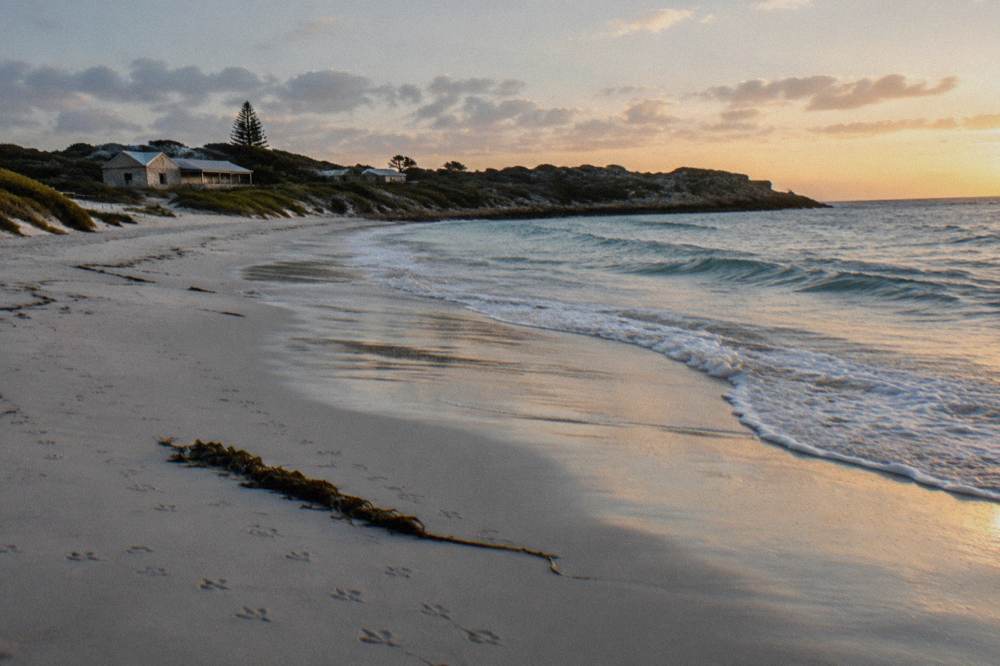
Overnight guests also get practical room to book the island's slower experiences. The half-day snorkel and sail catamaran trip, a 4.8-rated tour from a small pool of 33 reviews, runs about three hours on the water with a seasonal fruit platter, tea and coffee, kayaks and stand-up paddleboards. Fitting that around a ferry schedule on a day trip is possible but tight. With a night or two on the island, it becomes a relaxed morning rather than a calculation. Note it departs on the island, so ferry transfers are separate.
There is a second, subtler unlock: weather resilience. If the wind turns on your one day trip, the day is partly written off. An overnight guest simply swaps the beach morning for the museum afternoon and tries again tomorrow. The Wadjemup Museum, in the Old Mill and Hay Store, is open daily with entry by contribution, a genuinely good rainy-hour option that most day trippers never reach. Add the free daily walks run by the Rottnest Voluntary Guides from the Salt Store, and a "lost" afternoon turns into one of the better halves of the trip.
How Do You Add A Bike Or Bus Tour To A Stay?
Easily, and this is where overnight stays pay off twice: tours that feel rushed inside a day trip become comfortable inside a stay, because you can give the island-based experiences a full morning before the day-trip crowds have even landed. The bike-and-ferry packages that serve day trippers can also anchor day one of a longer visit, and island-based tours, the bus tours, the segway tours, the snorkel trips and the Oliver Hill train and tunnel experience, slot into day two without any ferry arithmetic at all.
The practical pattern works like this. Day one, take a ferry-and-bike package from Hillarys, Fremantle or Perth, ride the loop, check in. Day two, before the ferries arrive, do an island-based tour. The ferry-and-bus option from Perth or Fremantle combines return ferry tickets with a 105-minute commentary bus tour and island admission from A$149 per person, rated 4.6 from 1,512 reviews, and works well for travellers who would rather not ride a bike at all.
For active guests, the segway options are island-based and short: the one-hour Settlement tour from A$98 per person, rated 4.7 from 62 reviews, and the 1.5-hour Fortress Adventure tour from A$139, rated 4.8 from 117 reviews. The Oliver Hill train and tunnel tour, from A$40 per person with a 4.6 rating from a small pool of 35 reviews, covers the island's wartime guns and tunnels in two hours. All of these start on the island, which makes them natural second-day content for overnight guests and awkward additions to a ferry-locked day trip. The snorkel trips, including the guided snorkel boat experience from A$239, are the same story: island-based, weather-dependent, and far nicer without a departure clock hanging over them.
The comparison that matters for this article, though, is not tour versus tour. It is day versus overnight.
| Factor | Day trip | Overnight stay |
|---|---|---|
| Time on the island | Roughly 6 to 8 usable hours | 24 to 48 hours plus |
| Quietest wildlife windows | Usually missed | Included by default |
| Cost of arrival | Same-day return, A$87.50 to A$135.50 adult | Extended return plus A$28.50 admission |
| Accommodation cost | None | Varies by operator and season |
| Freedom to book island tours | Limited by ferry times | Full day available |
| Weather insurance | None, one shot | Swap days if weather turns |
| Best suited to | First visits, tight schedules | Photographers, families, repeat visitors |
Verdict: Day Trip Or Overnight On Rottnest Island?
If you care about quokkas, photography, swimming, or simply quiet, stay overnight, because the island's best hours are the ones day trippers miss, and no package, however well built, can sell you the settlement at dusk. A day trip works only if you just want a quick look and a quokka selfie. Stick to a day trip if your dates are fixed inside the next few months and the nine-month booking window has already closed, or if the budget cannot absorb island room rates, or if you genuinely only want a first look. A well-built day trip, a ferry and bike package, delivers the island's headline experiences, and this day-trip worth-it breakdown covers it in detail.
The strongest argument for the overnight is not luxury. It is arithmetic. Day trippers spend three to five hours of their day in transit windows, queues and the return-clock countdown, and share the island's peak hours with everyone else who did the same. Overnight guests amortise the crossing over two or more days and hold the island when it is genuinely empty. If the Rottnest Tours homepage comparison of packages is the shopping end of the decision, this article is the calendar end: the question is less "can I afford a night" and more "do I want the island at 7 am".
For travellers torn between the two, there is a middle path worth naming: book the day trip now, and if the island wins you over, as it does for a striking number of guests, note the next first-Wednesday booking opening and plan the overnight properly, nine months out, with the stay type you actually wanted rather than the one left over.
Common Questions About Staying Overnight On Rottnest Island
Is It Worth Staying Overnight At Rottnest Island?
For most travellers wanting quiet beaches, dawn wildlife and unhurried swimming, yes: the island's best hours are the ones after the last ferry leaves and before the first arrives. For tight budgets or dates inside the nine-month booking window, a ferry and bike day trip covers the headline experiences well.
How To Stay Overnight On Rottnest Island?
Book one of the six official options, Stay Rottnest self-contained units, campground, hostel and dorms, Discovery Rottnest Island, Samphire Rottnest or The Lodge Wadjemup, through the official channels. Stay Rottnest bookings open nine months ahead on the first Wednesday of each month, and peak dates fill quickly.
How Much Does It Cost To Stay At Rottnest Island?
Count ferry, admission, room and food. Extended-stay admission is A$28.50 per adult on top of an extended-return ferry fare. Room and site rates vary widely by season and operator and are listed on each operator's own booking page, so treat those pages as the price of record rather than any fixed figure.
What Is The Best Accommodation On Rottnest Island?
The Lodge Wadjemup and Samphire Rottnest lead on hotel comfort, Discovery's 83 eco-tents at Pinky Beach sit in the middle, and Stay Rottnest's self-contained units, campground and hostel serve families and budget travellers. The best fit depends on whether you cook, how close to the water you want to wake up, and how far ahead you can book.
Can You See Quokkas More Easily If You Stay Overnight?
Yes, in practice. Quokkas are mainly nocturnal and most active early morning and late afternoon, exactly the windows day trippers miss. Sightings are never guaranteed at a given hour, but overnight guests are simply present for more of the animals' active periods.
Do You Still Need To Book Tours For An Overnight Stay?
Yes for the popular ones. Island-based tours such as the snorkel trips, segway tours and the Oliver Hill train and tunnel tour have limited capacity, and the island's own advice is that tours and transport often book out during peak periods, particularly school holidays and summer weekends.