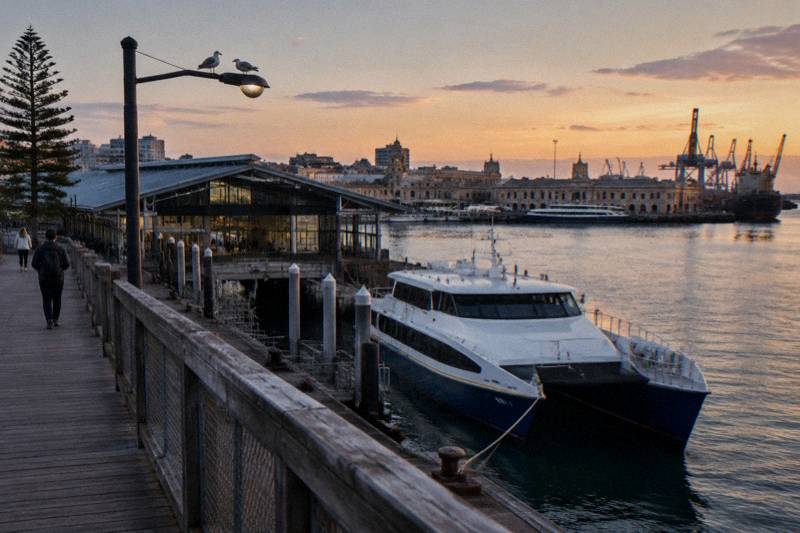
Why Is It So Expensive To Go To Rottnest Island?
The honest cost of a Rottnest Island day trip: what the ferry fare includes, why a car-free island pushes prices up, and what bundled packages add back.
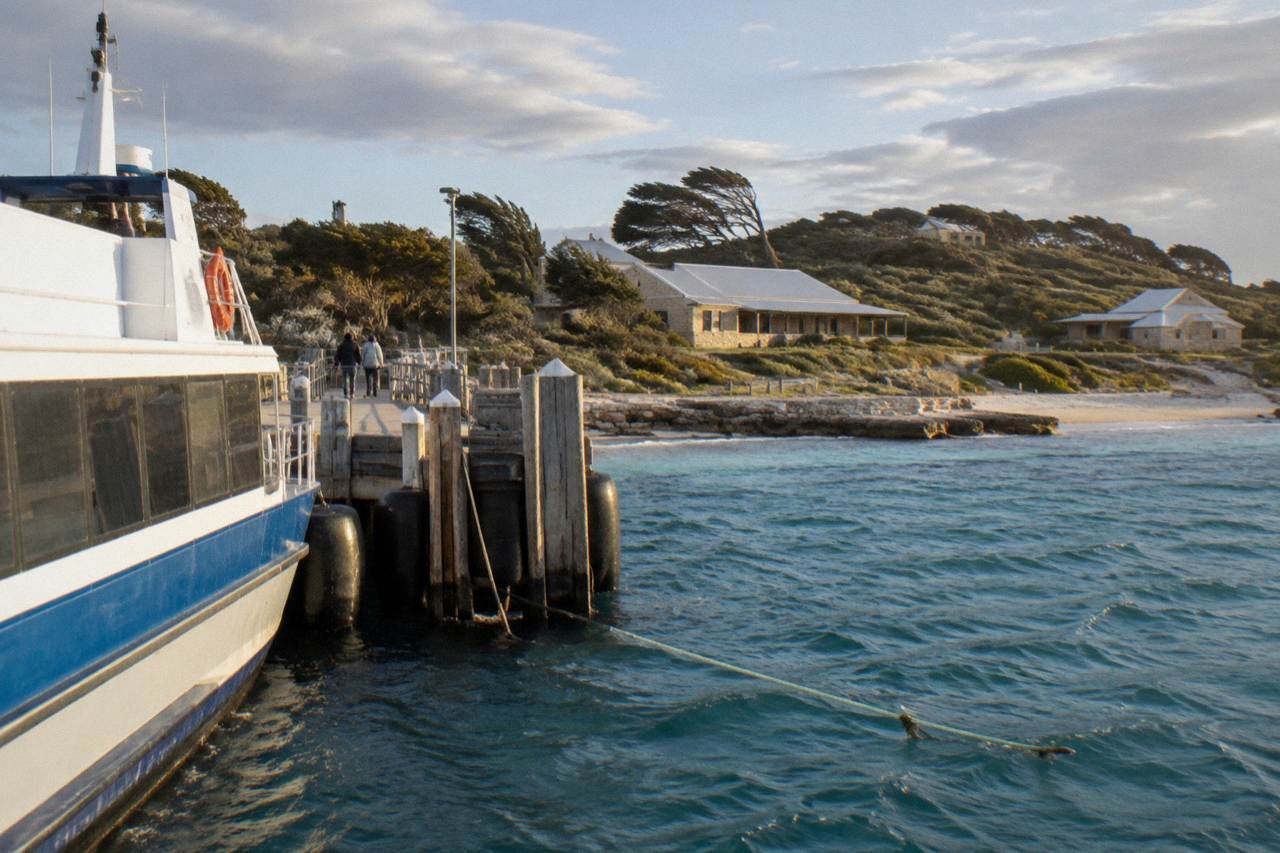
Why Is It So Expensive To Go To Rottnest Island?
A same-day return adult fare runs A$87.50 from Fremantle on Rottnest Express, A$95 from Hillarys on Rottnest Fast Ferries, and A$135.50 from Perth, with SeaLink pricing dynamically from A$90 and A$134.50. That headline number already includes the A$21.50 island admission fee, and the island itself is car-free, which raises the price of everything sold on it.
The sticker shock is real, so it deserves a real answer rather than a shrug. The fare is not just a boat ride: it bundles a government admission charge collected on behalf of the Rottnest Island Authority, and the operators run three separate departure points across two harbours and a city jetty, each with its own cost base. Then the island starts charging for its own realities. No visitor cars are allowed, so every loaf of bread, every bike and every bottle of water arrives by boat, and that freight cost lands in the shelf price of nearly everything.
None of this makes Rottnest cheap, and this article will not argue otherwise. What it will do is show exactly where each dollar goes, which parts of the stack you control, and where a bundled package, such as the Hillarys ferry and bike day trip, genuinely buys back value at from A$124 per person against buying the pieces separately. We compared the published fare tables and the bookable packages line by line; the results are below.
The first thing to understand is that the expensive part, the ferry, is also the part with the least fat in it. Three operators run the crossing on a seasonal timetable, subject to weather, and none of them publishes a discount day. What varies is the departure point, the crossing time, and whether the fare is bundled with anything else.
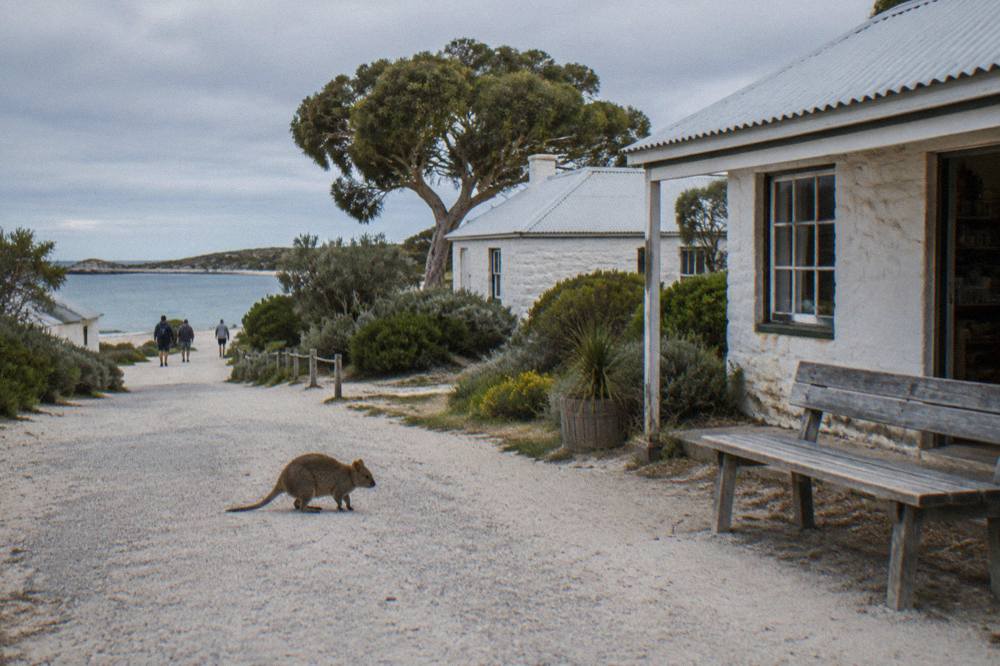
Why Is The Rottnest Ferry So Expensive?
The ferry is expensive because the fare carries crew, fuel, maintenance and berth fees on top of a mandatory A$21.50 admission charge, and because demand is inelastic: the island has no road, no bridge and no budget alternative. Operators run from Fremantle in about 25 minutes, Hillarys in about 45, and Perth in up to 90, and the longer crossings cost more to run.
Compare the published same-day return adult totals and the pattern is clear. Rottnest Express charges A$87.50 from Fremantle and A$135.50 from Perth, a A$48 difference for the river and sea legs from Barrack Street. Rottnest Fast Ferries charges A$95 from Hillarys. SeaLink works on dynamic pricing, from A$90 out of Fremantle and from A$134.50 from Perth, so the price moves with demand. The operator fare tables at Rottnest Express and SeaLink show the full breakdown.
A large slice of every ticket never reaches the ferry operator at all. The Rottnest Island Authority admission fee, A$21.50 for an adult on a single day, is collected by the operators at the time of booking and passed on. Strip that out and the actual sea crossing from Fremantle costs roughly A$66 return, which starts to look like a normal ferry fare for a 19 kilometre channel crossing with a full crew.
| Operator and route | Same-day return adult | Crossing time | Pricing model |
|---|---|---|---|
| Rottnest Express, Fremantle | A$87.50 | about 25 minutes | fixed fares |
| Rottnest Express, Perth | A$135.50 | up to 90 minutes | fixed fares |
| Rottnest Fast Ferries, Hillarys | A$95 | about 45 minutes | fixed fares |
| SeaLink, Fremantle | from A$90 | about 25 minutes | dynamic |
| SeaLink, Perth | from A$134.50 | up to 90 minutes | dynamic |
Family fares soften the per-head cost if you are travelling with children: A$240 for two adults and two children from Fremantle on Rottnest Express, A$250 from Hillarys on Rottnest Fast Ferries, and from A$230 on SeaLink from Fremantle. The pattern holds everywhere in the table: the boat is priced per seat, the admission is priced per person, and the Perth departures carry a premium because the river transit adds time and fuel.
How Much Does It Cost To Enter Rottnest Island?
Admission is A$21.50 per adult and A$11 per child aged 4 to 16 for a single day, with a family rate of A$57 covering two adults and two children, and under 4s free. Staying overnight switches you to the extended rate of A$28.50 adult and A$14.50 child. The fee is always folded into your ferry fare, never paid at a gate.
This is the line item most visitors do not know exists, and it explains a chunk of the "expensive island" feeling. Rottnest is a Class A Reserve managed by the Rottnest Island Authority, and the admission fee funds the island's infrastructure, conservation programs and heritage management. The Authority's own admission fees page sets the rates for the financial year, and the ferry operators collect them as part of the ticket.
Because the fee rides inside the fare, comparing ferry prices without knowing this leads people astray. A A$90 SeaLink fare and a A$95 Fast Ferries fare are both "admission included" tickets; the underlying crossing difference between them is a few dollars, not the headline gap. The official guidance is blunt on this point: visitors arriving by ferry pay the fee as part of their fare at the time of booking.
If you are weighing up routes and prices in detail, the ferry prices guide breaks down every fare table, including child, concession and family rates, and the Rottnest Island ferry guide covers the operators and departure points. For overnight visitors the extended admission of A$28.50 applies, and note that Stay Rottnest accommodation bookings open nine months ahead on the first Wednesday of each month, so the cheap beds go early.
Why Is It So Expensive To Go To Rottnest?
Beyond the ferry, the island's prices reflect a simple logistics fact: no cars, no trucks and no road link. Everything sold on Rottnest, from the bakery's flour to the General Store's bottled water, is shipped across on the same ferries, and freight costs land in every shelf price. Food, drink and bike hire on the island therefore cost more than Perth equivalents.
The island is 11 kilometres long and 4.5 wide, with 22 kilometres of cycle paths and not a single visitor vehicle. That is the attraction and the expense in one policy. Freight arrives by boat, staff commute by boat, waste leaves by boat. The two General Stores, open seven days, stock groceries and liquor at prices that reflect a sea crossing, and the bakery's queues are famous partly because there is nowhere else to queue.
Bike hire shows the same stack in miniature. Pedal & Flipper, the main hire operator behind Hotel Rottnest, charges A$35 for a standard multi-geared bike for one day plus a A$50 deposit, and A$83 for an electric bike plus a A$200 deposit, with e-bikes restricted to riders 18 and over. Bringing your own bike is possible but not free: ferry bike freight is A$20 for a pedal bike and A$25 for an e-bike on SeaLink, pre-booked, with size limits and no tandems. Neither option escapes the island's economics, you just choose which side of them you pay on.
| Cost item | Price on or to the island | Notes |
|---|---|---|
| Island admission, adult day trip | A$21.50 | included in ferry fares |
| Standard bike hire, one day | A$35 plus A$50 deposit | Pedal & Flipper |
| Electric bike hire, one day | A$83 plus A$200 deposit | riders 18 and over |
| Ferry bike freight | A$20 pedal, A$25 e-bike | pre-booked, size limits apply |
| Rottnest Voluntary Guides walks | free | daily, weather permitting |
The free items matter to the honest ledger. The Rottnest Voluntary Guides Association runs free daily walking tours from the Salt Store next to the Information Booth, including Meet the Quokkas, and the Wadjemup Museum asks only a contribution. An expensive island and an expensive day are not the same thing, and the walks cost nothing.
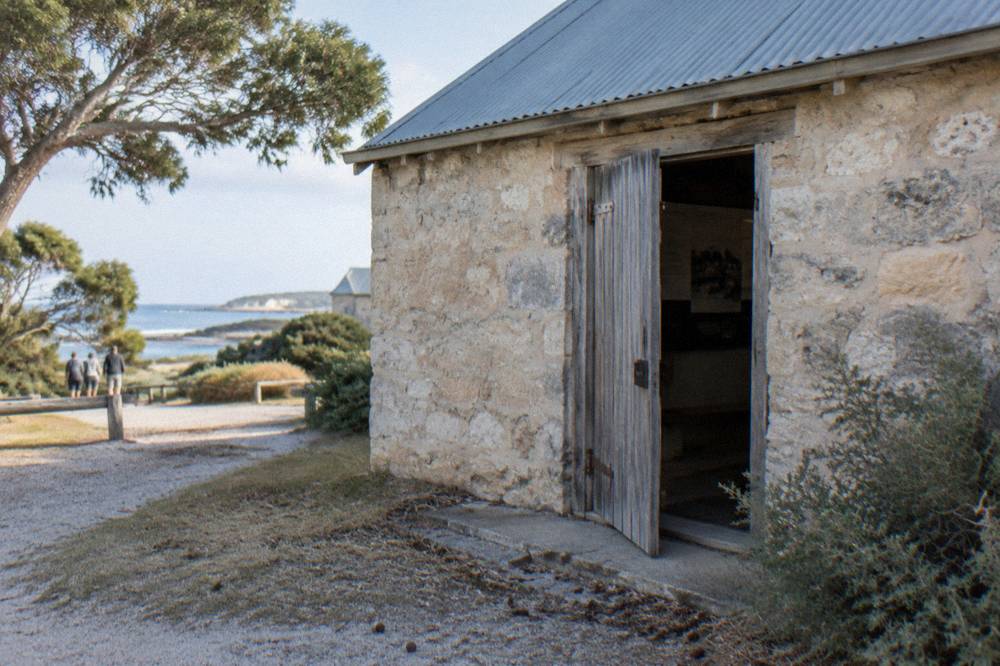
What Does The Ferry Fare Actually Include?
Every published same-day return fare includes three things: the seat both ways, the A$21.50 adult admission fee, and the operator's running costs for your chosen route. It does not include food, bike hire, tours on the island, or hotel transfers unless the listing says so. Knowing this stops you paying twice for admission or budgeting for inclusions that were never there.
The admission inclusion is the one people most often miss. Because the ferry ticket already carries your island entry, you never queue at a gate or pay again on arrival, but you also cannot opt out: the fee is mandatory for ferry arrivals. One-way fares work the same way, A$74.50 from Fremantle on Rottnest Express and from A$69 on SeaLink, both admission included.
What the fare does not carry is equally important. Food and drinks are excluded on nearly every listing in the roster. The A$90 Fremantle ferry and admission package from SeaLink is a clean example: it covers return ferry tickets and the admission fee, plus onboard bar and WiFi on the crossing, and explicitly excludes tours, transfers, parking and food. Buy that and you have your crossing and entry sorted, nothing more.
Bundled tickets are where the inclusions grow. The Hillarys ferry and bike day from Rottnest Fast Ferries, from A$124 per person with free cancellation, includes the same-day return ferry, an all-day bike with helmet and lock, the admission fee, and courtesy hotel pickup from selected Perth and Scarborough hotels on request. Against the stack of a A$95 ferry fare plus A$35 bike hire bought separately, the bundle undercuts the total, and the listing notes a A$25 cash deposit per bike payable on the island. Compare it on the ferry and bike packages guide before paying for parts individually.
Where The Money Genuinely Goes
Admission fees fund the Rottnest Island Authority's reserve management: conservation, quokka protection, heritage buildings and infrastructure on a 19 square kilometre island with no ratepayer base. Ferry fares fund vessels, crew and fuel. After that, your spending splits between private operators whose costs all include sea freight, and a small number of free experiences run by volunteers.
Follow a single A$87.50 Fremantle ticket and roughly A$21.50 of it goes straight to island management. The remainder pays for a crewed vessel on a seasonal timetable that runs whether the boat is full or one-third empty, berthing rights at Fremantle and the Main Jetty at Thomson Bay, and compliance costs on a weather-dependent route. The operator's margin is the thin layer on top.
On the island, the admission money and your café spending do different jobs. The Authority manages the quokka population, described as the world's largest, with an IUCN assessment putting it at 8,000 to 12,000 animals, and maintains the Wadjemup Aboriginal burial ground, the museum buildings and 63 beaches with no lifeguard patrol, a fact the Authority states plainly in its excursion planning. Private operators, from the snorkel boats to the segway tours, price against their own freight and staffing costs.
The segway tours illustrate the island premium cleanly. The Fortress Adventure segway tour runs about 1.5 hours from A$139 per person, and the one-hour Settlement version from A$98, both with training, guide and radio gear included, both rated 4.8 and 4.7 from 117 and 62 reviews respectively. In a city those prices would look high; on an island where every segway arrived by boat, they read differently.
The Honest Cost Stack For A Day Trip
A self-organised day trip for one adult stacks three verified numbers: a ferry fare of A$87.50 to A$95, bike hire of A$35 plus a A$50 deposit, and whatever you budget for food, with the admission already inside the ticket. The Hillarys ferry and bike day at from A$124 compresses ferry, bike and admission into one price and drops the deposit. Do the sums yourself and the gap is smaller than most people expect.
Build the stack honestly and the comparison does the arguing. The table below uses the cheapest verified Fremantle and Hillarys route options and the published Pedal & Flipper hire rate. Food is a genuine range, not a promise: the General Stores and bakery set their own prices, and everything on the island carries freight.
| Line item | Bought separately | In the Hillarys bundle |
|---|---|---|
| Same-day return ferry, adult | A$87.50 to A$95 | included |
| Island admission | A$21.50 | included |
| Bike, helmet and lock, one day | A$35 plus A$50 deposit | included, A$25 cash deposit |
| Lunch and drinks | budget your own | not included |
| Guided activity, optional | from A$40 on the island | not included |
Read the middle rows twice. The bundle at from A$124 sits below what the same three items cost side by side once the separate ferry fare, the hire charge and the refundable deposit are all counted, and the listing's deposit is A$25 per bike rather than the A$50 charged for standalone hire. The listing, rated 4.7 from 2,937 reviews, also includes free cancellation and courtesy pickup from selected hotels on request. It does not feed you, so the true day cost still includes lunch, but the expensive parts, crossing, entry and wheels, are covered at a single price.
The mid-range packages stack up similarly from Fremantle. The SeaLink ferry and bike option at from A$127 includes the admission fee, bike hire, helmet and same-day return ferry, rated 4.8 from 502 reviews with free cancellation.
For travellers who want the island explained rather than explored solo, the ferry and bus tour combination from Perth or Fremantle, from A$149 per person and rated 4.6 from 1,512 reviews, adds a 1 hour 45 minute commentary bus tour and, from Perth, the Swan River scenic cruise, on top of ferry and admission.
Ways To Spend Less Without Missing The Island
The savings that actually exist are structural, not coupons: depart from Fremantle rather than Perth to save A$48 on the adult fare, book ferry-bike bundles instead of separate parts, and use the free daily guided walks and beaches instead of paid activities. Nobody sells a guaranteed sighting, and the quokkas charge nothing.
The route choice is the biggest lever. A Fremantle departure at A$87.50 adult against A$135.50 from Perth saves A$48 per adult on the return fare, and the crossing is about 25 minutes instead of up to 90. If you are already staying in or near Fremantle, the maths makes itself. The Hillarys roundtrip fast ferry at from A$95, rated 4.7 from 128 reviews, includes free parking at Hillarys Boat Harbour, which quietly removes another cost from the stack.
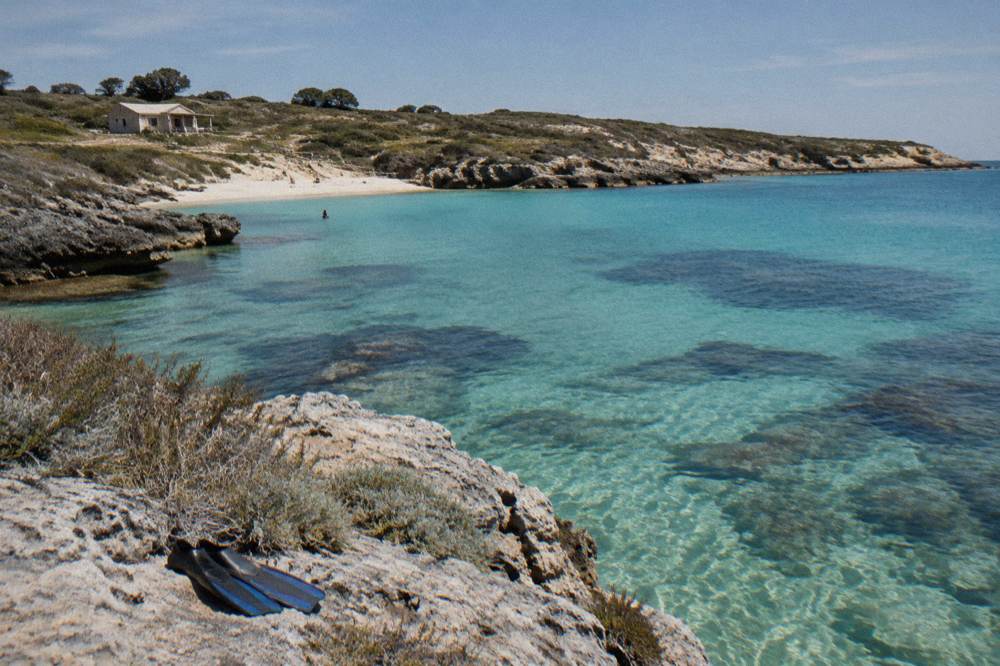
On the island, the genuinely free list is longer than visitors expect: the Voluntary Guides walks, the beaches and bays, the snorkel from shore at your own risk on unpiloted beaches, and the quokkas themselves, which cost nothing to photograph from a respectful distance. Touching or feeding them carries on-the-spot fines and potential prosecution with penalties up to A$10,000 under the Biodiversity Conservation Act 2016, so the cheap option is also the lawful one. The deeper background on the island's appeal is covered in why Rottnest Island is so famous.
Two timing notes that affect price rather than promise it. SeaLink's dynamic pricing means popular sailings cost more, so flexibility on date helps. And peak periods genuinely sell out: the summer school holidays run 17 December 2026 to 31 January 2027, the autumn break 10 to 25 April 2027, and operators and the Island Explorer bus both report peak sellouts, so booking ahead is less about price and more about getting a seat at all.
Common Questions About The Cost Of Going To Rottnest Island
Why Is It So Expensive To Go To Rottnest Island?
Because the fare bundles a mandatory A$21.50 adult admission fee on top of the crossing, and because the car-free island ships everything by boat, raising the price of food, hire gear and activities. Same-day return adult fares run A$87.50 to A$135.50 depending on the departure point and operator.
Why Is The Rottnest Ferry So Expensive?
The ferry carries crew, fuel, berth fees and weather risk on a seasonal timetable, plus the island admission collected for the Rottnest Island Authority. From Fremantle the fare is A$87.50 on Rottnest Express and from A$90 on SeaLink; the longer Perth crossings cost A$135.50 and from A$134.50 respectively.
How Much Does It Cost To Enter Rottnest Island?
Single-day admission is A$21.50 per adult, A$11 per child aged 4 to 16, and A$57 for a family of two adults and two children, with under 4s free. Overnight visitors pay the extended rate of A$28.50 adult and A$14.50 child. Ferry arrivals always pay the fee inside their ticket.
Is It Cheaper To Bundle The Ferry With A Bike?
Usually yes. The Hillarys ferry and bike day costs from A$124 per person and includes the ferry, admission, and all-day bike, helmet and lock hire, against a A$95 fare plus A$35 hire plus a A$50 refundable deposit bought separately.
Why Is Everything On The Island Itself So Pricey?
No visitor cars are allowed, so every product sold on Rottnest arrives by ferry and every operator's costs include sea freight and staff commuting across the water. Bike hire runs A$35 for a standard day rental and A$83 for an electric bike at the main island hire outlet, plus deposits.
Are There Free Things To Do Once You Are On The Island?
Yes. The Rottnest Voluntary Guides run free daily walking tours from the Salt Store, the beaches and snorkelling from shore cost nothing, and the Wadjemup Museum asks only a contribution. The quokkas, the island's main draw, are free to see from a respectful distance.
The short version: Rottnest is expensive because two costs, a government admission fee and an island-wide freight premium, sit underneath everything, and the ferry layer on top is priced like any crewed seasonal boat service. The counterweight is that the expensive parts bundle well. Cross-reference the options on Rottnest Tours before booking, and the fare table stops feeling like a mystery and starts feeling like a choice.